

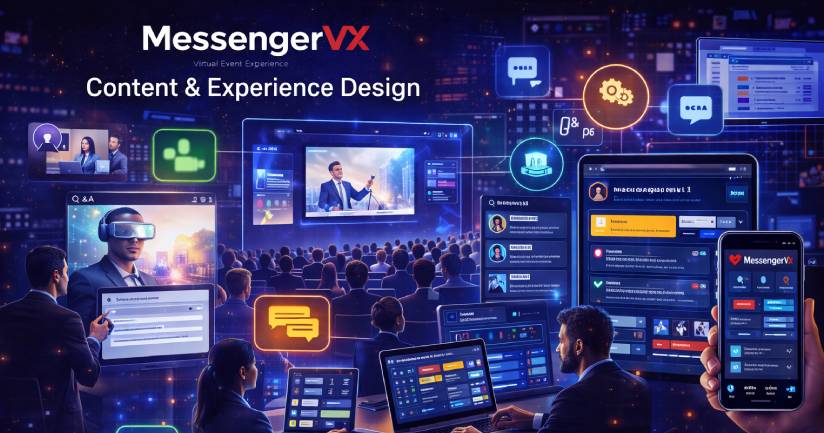



Smart Event Technology
Connect Registration, People, Venues, Exhibitors and Data. Turn Every Event into an Intelligent, Measurable Experience.
Modern events generate thousands or potentially millions of interactions.
A visitor registers online. They arrive at the venue and check in. They enter different halls, attend sessions, explore exhibition booths, interact with digital displays, participate in activities, meet exhibitors, scan information, request product details and continue conversations after the event.
Traditionally, many of these interactions operate separately.
At Brand Messenger, our Smart Event Technology service connects the event journey through AI-assisted registration, Smart Badges, visitor and audience analytics, Event Dashboards, Interactive Exhibitions, smart check-in, digital wayfinding, IoT, smart displays, event applications, CRM, marketing automation, Digital Twins and appropriate physical-space intelligence.
Our five core capabilities are:
AI Registration
Smart Badges
Visitor Analytics
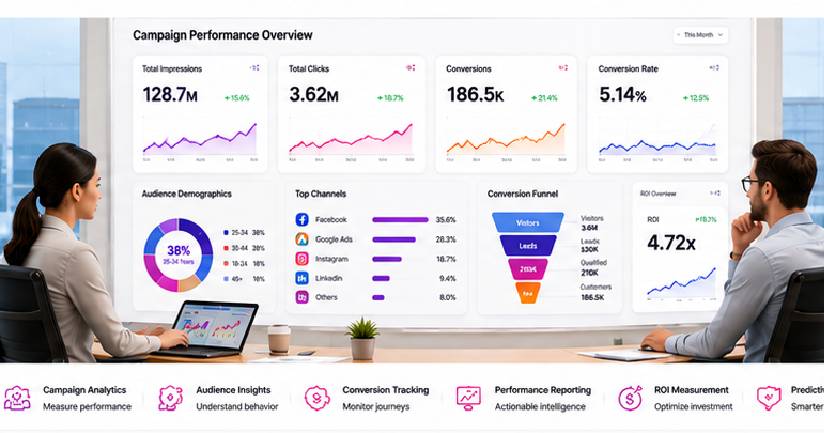
Event Dashboards
Interactive Exhibitions
For appropriate events, the technology ecosystem can also integrate with Face Signatures by Messenger2050 Technologies to provide additional visitor-flow, audience, movement, crowd and authorized identity intelligence where suitable and responsibly deployed.
Our wider capabilities can extend across conferences, exhibitions, trade shows, corporate events, product launches, festivals, awards, hybrid events, B2B events, experience centers, roadshows and large multi-zone venues.
The Brand Messenger approach connects:
Registration → Identity / Credential → Arrival → Check-In → Venue → Movement → Sessions → Exhibitors → Interaction → Engagement → Data → Intelligence → Follow-Up
The objective is not simply to digitize event administration.
It is to create a connected environment where technology improves the experience for:
Attendees • Organizers • Exhibitors • Sponsors • Speakers • Operations Teams • Management
Register Smarter. Enter Faster. Engage Deeper. Understand the Audience. Measure the Event.
What Is Smart Event Technology?
Smart Event Technology connects digital systems, physical venues and audience interactions throughout the event lifecycle.
Instead of operating:
Registration
Badges
Sessions
Exhibitions
Analytics
CRM
as disconnected systems, Brand Messenger can help create a connected event architecture:
Attendee → Registration → Credential → Venue → Experience → Interaction → Data → Intelligence → Business Outcome
This turns the event into a measurable physical-digital ecosystem.
Brand Messenger Smart Event Technology Services
Our capabilities can include:
Smart Event Technology Strategy
Event Technology Consulting
Event Technology Architecture
AI-Assisted Registration
Online Registration
Smart Registration Forms
Attendee Registration
Exhibitor Registration
Speaker Registration
VIP Registration
Media Registration
Invitation Management
Approval Workflows
Smart Check-In
Self-Service Check-In
QR Check-In
Smart Badge Systems
Digital Badges
RFID / NFC Badge Experiences where appropriate
Badge Printing Workflows
Access Credential Integration
Session Check-In
Visitor Analytics
Audience Analytics
Attendance Analytics
Visitor Flow Analytics
Zone Analytics
Session Analytics
Exhibitor Analytics
Sponsor Analytics
Engagement Analytics
Crowd Intelligence
Event Dashboards
Executive Event Dashboards
Real-Time / Near-Real-Time Event Intelligence
Interactive Exhibitions
Smart Exhibition Booths
Interactive Kiosks
Smart Displays
Digital Wayfinding
Event Mobile Experiences
QR-Connected Experiences
Lead Capture
Exhibitor Lead Management
Networking Technology
Appointment & Meeting Technology
Event Gamification
Interactive Content
IoT Event Experiences
Digital Twin Integration
Face Signatures Integration where appropriate
Conversational AI
Event AI Assistants
CRM Integration
CDP Integration
Marketing Automation
Event Analytics
Post-Event Intelligence
Security, Privacy & Governance
The Connected Event Journey
Brand Messenger can design technology around the complete attendee journey.
Before the Event
Discover → Register → Confirm → Personalize → Plan
Arrival
Identify / Present Credential → Check In → Receive Badge → Enter
During the Event
Navigate → Attend → Explore → Network → Interact → Participate
Exhibition
Discover → Visit → Engage → Scan / Request → Follow Up
After the Event
Analyze → Follow Up → Nurture → Report → Learn
The complete lifecycle becomes:
Discover → Register → Arrive → Enter → Explore → Engage → Connect → Measure → Follow Up
AI Registration
Make Registration More Intelligent, Efficient and Connected
Registration is often the first meaningful digital interaction between an event and its audience.
Brand Messenger can design registration experiences around:
Attendee Type
Event
Ticket / Access Category
Sessions
Interests
Organization
Role
Invitation
Registration Status
The objective is to collect only the information genuinely required while making registration simple.
AI-Assisted Registration Experiences
AI can support appropriate parts of the registration process, such as:
Registration Assistance
FAQ Support
Form Guidance
Information Retrieval
Attendee Categorization
Duplicate Detection
Data Quality Assistance
Event Recommendations
Session Suggestions
The architecture can become:
Visitor → Registration → AI Assistance → Event Data → Registration Completion
AI should assist registration rather than make consequential eligibility or access decisions without appropriate rules and human oversight.
Conversational Event Registration
Instead of forcing attendees to search through complex event information, a Conversational AI assistant can help answer:
“Which ticket should I select?”
“When does registration close?”
“Where is the event?”
“Which sessions are available?”
“What information do I need?”
Responses can be grounded in approved event information.
Personalized Registration Journeys
Different audiences may require different registration experiences.
For example:
Attendee
→ Standard Registration
Exhibitor
→ Company + Booth Information
Speaker
→ Speaker Information + Session Requirements
Media
→ Media Application / Accreditation Workflow
VIP
→ Appropriate Invitation Workflow
This reduces unnecessary fields and improves relevance.
Registration Approval Workflows
Some events require approval before attendance.
The workflow can become:
Application → Review → Approve / Decline → Notification → Credential
Criteria should be clearly defined, and sensitive or consequential decisions should not rely solely on automated AI classification.
Smart Confirmation
After registration, attendees can receive appropriate:
Confirmation
QR Credential
Event Information
Schedule
Calendar Information
Venue Information
Preparation Instructions
The registration becomes the beginning of the event journey—not the end of a form.
Smart Check-In
Reduce Friction at the Entrance
Brand Messenger can develop check-in experiences using appropriate technologies such as:
QR Codes
Registration Lookup
Self-Service Kiosks
Smart Badges
Mobile Credentials
Authorized Identity Verification where appropriate
The objective becomes:
Arrive → Verify → Check In → Enter
Self-Service Event Check-In
Interactive kiosks can allow attendees to:
Find Registration
Scan Credential
Confirm Information
Check In
Receive Appropriate Instructions
Print Badge where supported
Staff can remain available for exceptions and assistance.
The principle should remain:
Automation for Speed. Humans for Exceptions and Support.
Face Signatures + Event Check-In
For suitable events and where legally appropriate, Face Signatures by Messenger2050 Technologies may provide an additional authorized identity technology layer.
A potential architecture could become:
Registered Attendee → Authorized Identity Workflow → Face Signatures → Registration System → Check-In
Such implementations require careful consideration of:
Necessity
Legal Basis
Consent or Other Authorization where required
Clear Notice
Security
Retention
Access Control
Alternative Check-In Methods
Human Oversight
Facial recognition should not be introduced simply because the technology exists.
Smart Badges
Turn the Event Badge into a Connected Experience
A traditional badge provides:
Name + Organization
A Smart Badge can potentially become:
Identity / Credential + Access + Interaction + Networking + Event Data
Depending on the selected technology, Smart Badges may use:
QR
NFC
RFID
Digital Credentials
Other Compatible Technologies
The exact capabilities depend on the hardware, event architecture and use case.
Smart Badge Registration
The attendee journey can become:
Registration → Attendee Record → Badge / Credential → Check-In → Event
This helps maintain continuity between online registration and physical attendance.
Smart Badge Access
Where appropriate, badges can support access rules around:
Event Areas
Sessions
VIP Areas
Workshops
Exhibitor Zones
Staff Areas
Access permissions should be based on clearly defined event rules.
Smart Badge Session Check-In
Attendees can potentially use their badge or credential to register attendance at appropriate sessions.
This can help organizers understand:
Attendance
Capacity
Session Popularity
Timing
Attendance data should be handled according to the event's privacy policy and legitimate operational requirements.
Smart Badge Networking
With appropriate opt-in mechanisms, smart credentials can support attendee networking.
Potential interactions can include:
Attendee A ↔ Attendee B
or:
Attendee → Exhibitor
Participants should control whether and how their contact information is shared.
Smart Badge + Exhibitor Lead Capture
At exhibitions, an attendee can intentionally share their details with an exhibitor.
The journey can become:
Attendee → Exhibitor Booth → Consent / Intent → Badge Scan → Lead → Exhibitor System / CRM
This is more useful than treating every person who passes a booth as a sales lead.
Smart Badge + Gamification
Badges can potentially participate in event gamification.
Examples may include:
Visit Zones
Complete Activities
Attend Sessions
Participate in Challenges
Collect Digital Achievements
Gamification should encourage meaningful engagement rather than manipulate attendees into unnecessary data sharing.
Visitor Analytics
Understand How the Event Is Actually Being Used
Registration tells organizers:
Who Planned to Attend.
Check-in tells organizers:
Who Arrived.
Visitor Analytics can help organizations understand:
How the Event Was Used.
Potential analytics can include:
Attendance
Arrival Patterns
Venue Traffic
Zone Activity
Session Attendance
Exhibition Engagement
Booth Interaction
Peak Periods
Movement Patterns
Experience Participation
Event Audience Intelligence
A broader audience-intelligence model can combine appropriate information from:
Registration
Check-In
Smart Badges
Event App
Interactive Displays
Exhibition Interactions
Appropriate Physical-Space Intelligence
↓
Event Audience Intelligence
This can help organizers understand the event beyond ticket numbers.
Face Signatures + Visitor Analytics
For appropriate deployments, Face Signatures can provide an additional physical-space intelligence layer.
Potential aggregated signals may include:
Visitor Traffic
Movement Patterns
Crowd Activity
Zone Activity
Time-Based Activity
Return-Visit Trends
Audience Flow
The conceptual architecture can become:
Venue → Appropriate Visual Sources → Face Signatures → Aggregated Physical-Space Intelligence → Brand Messenger Event Analytics
This can complement direct digital interactions.
Registration Data vs. Physical Attendance
A registered attendee does not necessarily attend.
An attendee who enters does not necessarily participate equally.
Brand Messenger can help distinguish:
Registered → Checked In → Present → Participated → Engaged → Took Business Action
This creates a much more meaningful event funnel.
Event Engagement Funnel
A broader event engagement model can become:
Invitation → Registration → Attendance → Session → Exhibition → Interaction → Lead / Relationship → Follow-Up → Business Outcome
This allows event performance to be analyzed across the complete journey.
Visitor Flow Analytics
Large events need to understand how audiences move through the venue.
Potential questions include:
Which entrances are busiest?
Which zones receive the most traffic?
When do crowds increase?
Which areas receive limited activity?
How does traffic change between sessions?
Which exhibition areas attract repeat visits?
Appropriate aggregated flow intelligence can help answer these questions.
Crowd Intelligence
Understand Density and Movement Without Treating Every Person as an Identity
For appropriate venues, crowd intelligence can focus on aggregated:
Flow
Density
Movement
Activity
Time Patterns
This can support:
Event Operations
Venue Planning
Visitor Experience
Exhibition Planning
Individual identification is often unnecessary for these purposes.
Session Analytics
Organizers can evaluate appropriate:
Session Registration
Attendance
Capacity
Engagement
Timing
Drop-Off where reliably measurable
This can help improve future programming.
Speaker Analytics
Speaker-related reporting can combine:
Session Attendance
Audience Feedback
Engagement
Content Interaction
Such analytics should be used as decision-support information rather than simplistic measures of a speaker's quality.
Exhibition Analytics
Move Beyond Counting Booths and Visitors
Brand Messenger can help exhibitions understand:
Hall Traffic
Booth Visits
Interaction
Lead Capture
Product Interest
Experience Participation
Time-Based Patterns
The model becomes:
Venue Traffic → Booth → Interaction → Lead / Action
Exhibitor Intelligence
Exhibitors can receive appropriate information about their own performance.
Potential metrics can include:
Booth Interactions
Lead Captures
Product Interest
Content Interactions
Meeting Requests
Session Participation where relevant
Access to data should be governed so exhibitors receive only information they are authorized to access.
Sponsor Intelligence
Make Sponsorship More Measurable
Sponsors increasingly want evidence beyond logo placement.
Brand Messenger can connect appropriate sponsor touchpoints across:
Digital Signage
Sponsored Zones
Sessions
Interactive Experiences
Event App
Exhibition Booths
Content
Potential reporting can include:
Campaign Delivery
Interactions
Content Engagement
Lead Actions where applicable
Estimated exposure should be clearly distinguished from confirmed interaction.
Event Dashboards
Turn Event Data into Operational and Executive Intelligence
Events can generate information across dozens of systems.
Brand Messenger can consolidate appropriate event data into dashboards designed for different users.
Potential dashboard areas include:
Registration
Attendance
Check-In
Venue Traffic
Sessions
Exhibitions
Engagement
Leads
Sponsors
Operations
Marketing
Revenue where connected
The objective is:
One Event. Multiple Data Sources. One Connected View.
Event Operations Dashboard
An operations dashboard can focus on:
Current Attendance
Check-In Activity
Venue Zones
Session Capacity
Device Status
Alerts
Operational Issues
This provides teams with a clearer picture of event activity.
Executive Event Dashboard
Senior management usually does not need every operational metric.
An executive dashboard can focus on appropriate:
Registrations
Attendance
Engagement
Exhibitor Performance
Sponsor Performance
Lead Generation
Revenue
Marketing Performance
Key Trends
The objective is decision intelligence rather than dashboard complexity.
Real-Time & Near-Real-Time Event Intelligence
Where connected systems support it, selected information can update during the event.
Potential examples include:
Check-In
Session Capacity
Venue Traffic
Device Status
Exhibition Activity
Actual update frequency depends on the technology, connectivity, integrations and data-processing architecture.
Event Command Center
Give Event Teams a Connected Operational View
Large events can establish a physical or digital command environment integrating:
Registration
Venue
Audience
Sessions
Exhibitions
Technology
Operations
Alerts
A Brand Messenger Event Command Center can help teams understand the event as one connected environment rather than multiple isolated systems.
Interactive Exhibitions
Turn Exhibition Booths into Connected Experiences
Traditional booths often rely on:
Product + Staff + Brochure + Screen
Brand Messenger can extend the booth into:
Physical Product + Interactive Display + Smart Kiosk + 3D Content + AI + XR + Smart Badge + Lead Capture + Analytics
The booth becomes a measurable digital-physical experience.
Smart Exhibition Booths
A smart booth can combine:
Interactive Touch Displays
Smart Screens
Product Visualization
Smart Badge Interaction
QR Experiences
AI Product Assistants
Digital Product Catalogues
Lead Capture
Analytics
The objective is to help visitors understand the exhibitor quickly and continue the relationship after leaving the booth.
Interactive Product Demonstrations
Visitors can explore products through:
Touch Displays
3D Models
Animation
Video
Product Configuration
Digital Twins
XR
Holographic Experiences
This is particularly valuable when the real product is:
Large
Complex
Expensive
Difficult to Transport
Still in Development
Industrial Exhibition Experiences
A manufacturer can potentially demonstrate:
Factory
Production Line
Machine
Internal Components
Process
without physically transporting the complete industrial environment.
This can connect with wider Messenger2050 visualization and animation capabilities.
Interactive Exhibition Kiosks
Kiosks can provide:
Exhibitor Search
Product Search
Venue Information
Wayfinding
Session Information
AI Assistance
This connects with Brand Messenger's Interactive Kiosks & Smart Displays.
Digital Wayfinding
Help Visitors Navigate Large Events Intelligently
Event wayfinding can connect:
Current Location → Destination → Route
Visitors can search for:
Booth
Exhibitor
Stage
Session
Meeting Room
Restaurant
Facility
Registration
The experience can be delivered through:
Kiosks
Smart Displays
Mobile
Event App
Exhibitor Discovery
Visitors may know what product they need without knowing which company provides it.
A smart exhibition directory can support:
Product / Category Search → Relevant Exhibitors → Booth Locations → Route
This can improve discovery within large trade shows.
AI Event Assistant
Give Attendees a Digital Guide to the Entire Event
Brand Messenger can integrate Conversational AI into the event environment.
Attendees might ask:
“Where is Hall B?”
“What sessions start next?”
“Which exhibitors provide this product?”
“Where is the registration desk?”
“What time does the keynote begin?”
The assistant can use approved event information to provide relevant answers.
AI Event Concierge
An AI concierge can potentially assist across:
Registration
Agenda
Speakers
Exhibitors
Venue
Wayfinding
Event Information
FAQs
The experience may be available through:
Website
Event App
Kiosk
Smart Display
Messaging Interface
This creates a consistent conversational layer across the event journey.
AI Exhibitor Discovery
For large exhibitions, AI-assisted search can help visitors discover exhibitors based on their stated requirements.
For example:
Visitor Need → Search / Conversation → Relevant Exhibitor Information → Booth
Recommendations should be based on approved exhibitor information and should not imply endorsement unless that is explicitly part of the event structure.
AI Session Discovery
Attendees can potentially receive session suggestions based on:
Selected Interests
Registration Preferences
Agenda
Availability
Recommendations should remain transparent and should not unnecessarily profile attendees.
Event App
Put the Event Journey in the Attendee's Hand
A connected event application or mobile experience can provide:
Registration Information
Credential
Agenda
Personal Schedule
Speakers
Exhibitors
Maps
Wayfinding
Networking
Notifications
AI Assistant
Content
Feedback
The app becomes a personal interface to the event.
Smart Badges + Event App
The two can work together:
Smart Badge
Physical Credential & Interaction
Event App
Personal Digital Interface
Together they create continuity between physical and digital participation.
QR-Connected Event Experiences
QR can provide a simple bridge between physical event environments and personal devices.
Potential applications include:
Product Information
Booth Content
Session Materials
Surveys
Contact Requests
AR Experiences
Downloads
The journey becomes:
Physical Experience → QR → Personal Device → Continued Interaction
Smart Networking
Technology can help attendees discover and connect with relevant participants.
Potential capabilities can include:
Attendee Directory
Meeting Requests
Networking Areas
Interest-Based Discovery
Contact Exchange
Networking features should respect attendee visibility and contact-sharing preferences.
AI Networking Assistance
AI can potentially assist participants in discovering relevant people based on explicitly provided professional interests or objectives.
The system should avoid using sensitive characteristics to make networking recommendations.
Meeting & Appointment Technology
B2B events can integrate:
Meeting Requests
Time Slots
Meeting Areas
Confirmation
Calendar Integration
This can help convert event attendance into structured business conversations.
Event Lead Management
Turn Event Engagement into an Organized Business Process
Event leads can come from:
Registration
Booth Interaction
Product Inquiry
Meeting Request
QR Action
Explicit Smart Badge Sharing
The journey can become:
Event Interaction → Lead → CRM → Sales / Marketing Follow-Up
This connects the event with the wider revenue lifecycle.
Event + CRM
Brand Messenger can integrate appropriate event information with CRM.
Potential flows include:
Registration → CRM
Meeting Request → CRM
Product Inquiry → CRM
Consented Booth Lead → CRM
This reduces the risk of event data remaining isolated after the event ends.
Event + CDP
Appropriate event interactions can contribute to a broader customer-data environment.
The architecture can become:
Event + Website + CRM + Campaigns → CDP → Customer / Audience Intelligence
Individual-level data should only be connected where there is a suitable purpose and basis.
Event + Marketing Automation
The post-event journey can be automated according to appropriate actions.
For example:
Attended Product Session → Requested Information → CRM → Relevant Follow-Up
This is more useful than sending the same generic email to every attendee.
Pre-Event Marketing Automation
Marketing automation can also support:
Invitation → Registration Reminder → Confirmation → Event Preparation → Attendance
Communication frequency should remain reasonable and preference-aware.
Post-Event Marketing Automation
After the event:
Attendance → Engagement → Interest → Follow-Up → Nurture
Different attendees may receive different communications according to the interactions they intentionally completed.
Smart Event Technology + MarTech
The event can become part of the wider marketing technology ecosystem:
Event → CRM → CDP → Marketing Automation → Customer Journey → Analytics
This makes physical events measurable within broader marketing activity.
Smart Event Technology + AdTech
Brand Messenger can connect event campaigns with:
Paid Media
Programmatic Advertising
Retargeting where appropriate
DOOH
Digital Advertising Measurement
The journey can become:
Advertising → Registration → Attendance → Event Engagement → Follow-Up
Advertising and identity data should be connected only through appropriate privacy-aware mechanisms.
Event + Interactive Digital Signage
Screens across the venue can display:
Agenda
Wayfinding
Sponsors
Sessions
Announcements
Exhibitor Information
Event Content
Connected signage can update according to current event information where technically supported.
Smart Screens + Event Data
The architecture can become:
Event Platform → Current Information → Smart Screen Network
This can help keep information consistent across large venues.
Event + IoT Customer Experiences
Turn the Venue into a Connected Environment
Brand Messenger can integrate Smart Event Technology with IoT Customer Experiences.
Connected event environments can include:
Sensors
Smart Screens
Interactive Installations
Kiosks
Connected Devices
Environmental Systems
The architecture becomes:
Venue → Connected Devices → IoT → Event Intelligence → Experience
Sensor-Based Event Experiences
Sensors can support interactive brand and event experiences.
For example:
Visitor Approaches → Installation Activates
Visitor Interacts → Content Responds
Physical Action → Digital Experience
This can make event environments more participatory.
Intelligent Event Spaces
A connected venue can combine:
Registration + Badges + Kiosks + Screens + Sensors + AI + Analytics
into a coordinated technology environment.
The venue itself becomes part of the digital experience.
Event + Digital Twins
Create a Digital Representation of the Event Environment
Brand Messenger can connect event technology with Digital Twins.
An Event Digital Twin can potentially represent:
Venue
Halls
Stages
Booths
Screens
Connected Devices
Operational Zones
Appropriate event information can then be visualized spatially.
Event Digital Twin + Visitor Flow
The architecture can become:
Venue → Appropriate Sensors / Intelligence → Visitor Flow → Digital Twin → Event Operations
This can help teams understand how activity is distributed across the venue.
Event Digital Twin Command View
A spatial command view can combine:
Venue Map
Audience Activity
Sessions
Exhibitions
Connected Technology
Operational Alerts
This can make complex event operations easier to understand.
Event + Mixed Reality
Brand Messenger can connect Smart Event Technology with Mixed Reality Experiences.
Potential applications include:
MR Product Demonstrations
Spatial Event Content
Smart-Glass Wayfinding
Interactive Exhibitions
Digital Twin Visualization
Sponsor Experiences
This extends the event beyond conventional screens.
Event + XR
AR, VR and MR can support:
Product Experiences
Virtual Booths
Immersive Brand Activations
Remote Participation
Training
Entertainment
The appropriate technology should be selected according to the audience and event objective.
Event + Metaverse Experiences
Physical events can also extend into virtual environments.
The model can become:
Physical Event
Virtual Event World
Remote Audience
A hybrid event can therefore include:
Physical Venue
Virtual Exhibition
Digital Sessions
Avatar Networking
Online Product Experiences
Event + Holographic Experiences
Holographic-style technologies can support:
Product Reveals
Digital Speakers / Characters
Product Visualization
Entertainment
Sponsor Activations
Technology selection depends on venue, lighting, viewing angles and technical feasibility.
Event + Projection Mapping
Projection Mapping can transform:
Stages
Buildings
Booths
Walls
Objects
into event media surfaces.
Smart Event Technology can connect these creative experiences with the wider event journey.
Event + AI Creative Studio
Brand Messenger's AI Creative Studio can help develop:
Event Creative Concepts
Stage Concepts
Exhibition Concepts
Interactive Experience Ideas
Sponsor Activations
Product Launch Concepts
The workflow becomes:
Event Objective → Audience → Big Idea → Experience Concept → Production
Event + AI Content Generation
AI-assisted workflows can support selected:
Event Graphics
Supporting Visuals
Video Concepts
Copy
Digital Content Variations
Human review remains essential for brand consistency, factual accuracy and production quality.
Event Content Management
Manage the Event as a Living Information Environment
Event information changes.
Sessions move.
Speakers change.
Rooms change.
Announcements happen.
A connected content architecture can help manage:
Agenda
Speakers
Exhibitors
Sponsors
Venue Information
Screens
Kiosks
App Content
The lifecycle becomes:
Create → Approve → Publish → Update → Synchronize
Multi-Channel Event Information
Approved event information can potentially feed:
Website
Mobile
Kiosks
Smart Displays
AI Assistant
Event Dashboards
This reduces inconsistency across attendee touchpoints.
Event Alerts & Notifications
Attendees or staff may receive appropriate notifications relating to:
Session Changes
Venue Updates
Event Information
Meetings
Operational Alerts
Emergency communications require appropriately designed, authorized and reliable systems.
Event Operations Intelligence
Smart Event Technology can help organizers understand:
What is happening?
Where is it happening?
When is activity changing?
Which areas need attention?
Which systems are unavailable?
This creates a more informed operational environment.
Event Technology Monitoring
Organizers can monitor appropriate:
Kiosks
Screens
Badge Readers
Check-In Devices
Networked Installations
Digital Experiences
The objective is to identify technical issues before they significantly affect attendee experience.
Event Marketing Intelligence
Connect Event Activity with Marketing Performance
Brand Messenger can connect appropriate event data with AI Marketing Intelligence.
The broader model can become:
Campaign Data
Registration
Attendance
Event Interaction
CRM
Appropriate Physical-Space Intelligence → Event & Marketing Intelligence
This can help organizations understand the relationship between marketing activity and event participation.
Event Journey Intelligence
A complete event journey might become:
Advertisement → Website → Registration → Confirmation → Venue → Check-In → Session → Exhibition → Product Interaction → Lead → CRM → Follow-Up
Brand Messenger can analyze appropriate stages of this journey rather than evaluating only registration numbers.
Event Attribution
Organizations may want to understand whether events contribute to:
Leads
Opportunities
Sales
Partnerships
Customer Engagement
Event attribution can connect known and appropriately captured interactions with CRM and revenue information.
However, not every business outcome can be attributed perfectly to a single event.
Events often contribute alongside multiple other marketing and sales interactions.
Event ROI Intelligence
A broader event-performance model can consider:
Event Cost
versus appropriate:
Revenue
Pipeline
Leads
Sponsorship
Attendance
Engagement
Customer Relationships
Brand Objectives
Financial ROI should be distinguished from wider strategic event value.
Exhibitor ROI Intelligence
For exhibitors, appropriate metrics can include:
Participation Cost → Booth Traffic → Meaningful Interactions → Leads → Opportunities → Revenue where connected
This can provide a more useful view than booth traffic alone.
Sponsor Performance Dashboard
Sponsors can potentially receive dashboards showing authorized metrics associated with:
Sponsored Content
Sponsored Sessions
Digital Signage
Interactive Activations
Lead Actions
Campaign Delivery
Event organizers should define clearly which metrics sponsors can access.
Post-Event Intelligence
The Event Ends. The Intelligence Should Not.
After the event, Brand Messenger can consolidate appropriate information across:
Registration
Attendance
Sessions
Exhibitions
Leads
Sponsors
Engagement
Marketing
Operations
This can create a post-event intelligence environment for:
Reporting
Follow-Up
Planning
Optimization
Future Event Strategy
Event Benchmarking
Organizations running recurring events can compare:
Event 2025 → Event 2026 → Future Event
or:
Location A ↔ Location B
Potential comparisons can include:
Registration
Attendance
Engagement
Session Performance
Exhibitor Activity
Leads
Comparisons should account for differences in event scale, audience and format.
Predictive Event Intelligence
Historical event data can potentially support predictive models around:
Attendance
Session Demand
Venue Traffic
Staffing
Resource Requirements
Predictions are probabilistic estimates based on available data and assumptions not guarantees.
AI-Assisted Event Decision Intelligence
AI can help event teams identify:
Trends
Anomalies
Capacity Issues
Engagement Patterns
Operational Signals
AI should support event professionals rather than replace human judgment in consequential operational or safety decisions.
Face Signatures + Smart Event Technology
Add a Specialized Physical-Space Intelligence Layer
For appropriate deployments, Face Signatures can complement Brand Messenger's Smart Event Technology.
The relationship can be structured as:
Face Signatures
Physical-Space Intelligence → Brand Messenger
Event Experience + Event Technology + Marketing Intelligence
Potential appropriate Face Signatures signals can include:
Visitor Traffic
Movement
Crowd Activity
Zone Activity
Repeat-Visit Trends
Event Attendance Patterns
The combined architecture can become:
Registration + Smart Badges + Digital Interactions + Appropriate Physical-Space Intelligence → Event Intelligence
Identity Is Not Required for Every Event Insight
This distinction is important.
To understand:
“How busy is Hall A?”
individual identity is generally unnecessary.
To understand:
“How many visitors entered this zone?”
aggregated information may be sufficient.
To authenticate a specific registered person for a controlled use case, identity may be relevant.
Brand Messenger therefore separates:
Audience Intelligence
from
Identity Recognition
rather than treating them as the same requirement.
Event Privacy by Design
Smart events can generate substantial information about attendees.
Potential information may include:
Registration Data
Contact Information
Attendance
Badge Interactions
Session Activity
Location / Zone Signals
Networking
Voice
Images
Device Information
Relevant principles include:
Data Minimization
Purpose Limitation
Transparency
Consent where required
Preference Management
Controlled Access
Retention Controls
Security
Governance
Smart Badge Privacy
Attendees should understand what a Smart Badge does.
If a badge is used for:
Access
Session Attendance
Networking
Lead Sharing
Location-Related Analytics
the relevant functions should be appropriately disclosed.
A badge should not quietly become an unlimited tracking mechanism.
Biometric Event Governance
Where facial or biometric technology is used, organizations should consider:
Legal Basis
Necessity
Proportionality
Consent or Authorization where applicable
Clear Notice
Alternative Processes
Data Security
Access Controls
Retention
Auditability
Human Oversight
The principle remains:
Use Identity When Identity Is Necessary. Use Aggregated Intelligence When It Is Enough.
Event Cybersecurity
Every Connected Event Creates a Larger Digital Environment
Smart events may contain:
Registration Systems
Attendee Accounts
Badge Readers
Kiosks
Displays
Apps
APIs
Wi-Fi
IoT Devices
CRM Connections
Security considerations can include:
Authentication
Role-Based Access
Encryption
Network Segmentation
API Security
Device Security
Administrative Access
Monitoring
Software Updates
Incident Response
Security should be part of event technology architecture from the beginning.
Event Data Access Governance
Different stakeholders require different information.
Organizer
Broad Event Intelligence
Exhibitor
Authorized Booth / Lead Information
Sponsor
Authorized Sponsorship Performance
Operations Team
Operational Information
Executive Management
Executive Performance
Role-based access can help prevent inappropriate exposure of attendee or event information.
Event Accessibility
Smart Event Technology should consider participants with different accessibility requirements.
Areas can include:
Registration
Kiosks
Mobile Experiences
Smart Badges
Wayfinding
Digital Content
Sessions
Technology should improve access rather than create additional barriers.
Smart Event Technology Architecture
A broader Brand Messenger architecture can become:
Audience Layer
Attendees • Exhibitors • Speakers • Sponsors • Staff → Experience Layer
Registration • App • Kiosks • Smart Displays • Interactive Exhibitions → Identity / Credential Layer
QR • Smart Badge • Authorized Identity Technologies → Physical Intelligence Layer
Appropriate Sensors • Face Signatures • IoT → Event Platform Layer
Agenda • Sessions • Exhibitors • Meetings • Content → Enterprise Layer
CRM • CDP • Marketing Automation • Commerce → Intelligence Layer
Event Analytics • AI Marketing Intelligence • Digital Twin → Decision Layer
Dashboards • Operations • Executive BI
This creates a complete physical-digital event ecosystem.
Smart Event Technology Maturity Model
Organizations can develop their event technology progressively.
Level 01 — Digital Event Administration
Registration • Agenda • Basic Reporting
Level 02 — Connected Event
Check-In • Badges • Mobile • CRM
Level 03 — Interactive Event
Kiosks • Smart Displays • Interactive Exhibitions • Lead Capture
Level 04 — Intelligent Event
Visitor Analytics • AI Assistants • Event Dashboards
Level 05 — Spatially Intelligent Event
IoT • Face Signatures where appropriate • Digital Twins • XR
Level 06 — Connected Event Intelligence Ecosystem
Registration + Credentials + Venue + Audience + Exhibitors + AI + CRM + Marketing + Analytics
Complete Brand Messenger Smart Event Technology Process
A comprehensive engagement can follow:
Event Objective → Audience & Stakeholders → Attendee Journey → Event Technology Requirements → Registration Architecture → Smart Check-In & Credential Strategy → Smart Badge Strategy → Venue & Exhibition Technology → Interactive Experience Design → Visitor Analytics Strategy → Face Signatures / Physical-Space Intelligence Assessment Where Appropriate → Event App / Kiosk / Smart Display Architecture → AI & Conversational Assistant Strategy → CRM / CDP / Marketing Automation Integration → IoT / Digital Twin / XR Integration Where Relevant → Event Dashboard Architecture → Privacy, Security & Governance → Testing → Pre-Event Launch → Live Event Operations → Real-Time / Near-Real-Time Monitoring → Post-Event Analytics → CRM & Marketing Follow-Up → Performance Review → Future Event Optimization
The complete lifecycle becomes:
Plan → Register → Identify → Enter → Navigate → Participate → Interact → Understand → Follow Up → Improve
Across the Brand Messenger Smart Event Ecosystem
Smart Event Technology can connect Brand Messenger's wider capabilities:
Event Strategy & Experiential Marketing
Define the Event → Registration + Smart Badges
Connect the Attendee → Smart Kiosks + Digital Wayfinding
Guide the Visitor → Interactive Digital Signage
Communicate Across the Venue → Interactive Exhibitions
Create Engagement → IoT + Intelligent Spaces
Connect the Venue → Face Signatures
Add Appropriate Physical-Space Intelligence → Conversational AI
Assist the Attendee → Digital Twins
Visualize the Event Environment → XR + MR + Holographic Experiences
Create Immersive Experiences → CRM + CDP + Marketing Automation
Continue the Relationship → AI Marketing Intelligence
Understand Audience & Engagement → Event Dashboards + BI
Turn Data into Decisions
The complete ecosystem becomes:
Audience → Registration → Venue → Interaction → Intelligence → Relationship → Business Outcome
Events We Support
Brand Messenger Smart Event Technology can support appropriate technology strategies for:
Corporate Events
Conferences
Summits
Trade Shows
Exhibitions
Product Launches
Awards
Film & Entertainment Events
Festivals
B2B Events
Investor Events
Government Events
Industry Events
Technology Events
Automotive Events
Real Estate Events
Retail Events
Healthcare Conferences
Education Events
Hospitality Events
Roadshows
Brand Activations
Hybrid Events
Virtual + Physical Events
Multi-Venue Events
Large Experience Centers
Benefits of Smart Event Technology
Brand Messenger can help organizations:
Simplify registration
Create AI-assisted registration experiences
Reduce check-in friction
Deploy smart credentials
Connect attendees with sessions and exhibitions
Improve digital wayfinding
Build interactive exhibition environments
Create smart booths
Capture attendee-authorized leads
Improve exhibitor intelligence
Strengthen sponsor reporting
Understand visitor flow
Analyze venue activity
Connect appropriate Face Signatures intelligence
Build event dashboards
Create Event Command Center views
Connect events with CRM
Automate relevant post-event follow-up
Integrate event data with MarTech
Connect IoT with the event environment
Build Event Digital Twins
Add XR and Mixed Reality experiences
Deploy AI Event Assistants
Measure engagement beyond registrations
Improve recurring events through historical intelligence
Turn event data into business intelligence
Why Choose Brand Messenger?
Brand Messenger combines Event Strategy, AI Registration, Smart Badges, Visitor Analytics, Event Dashboards, Interactive Exhibitions, Smart Kiosks, Digital Wayfinding, Interactive Digital Signage, IoT Customer Experiences, Conversational AI, Digital Twins, XR, Mixed Reality, Holographic & Projection Experiences, CRM, CDP, MarTech, AdTech, AI Marketing Intelligence and Business Intelligence within one connected event ecosystem.
Through Face Signatures by Messenger2050 Technologies, appropriate events can add a specialized physical-space intelligence layer for visitor traffic, audience flow, crowd activity and other suitable use cases.
We do not approach event technology simply as:
Registration Software → Badge Printer → Event App
We approach it as:
Audience → Registration → Credential → Venue → Movement → Session → Exhibition → Interaction → Intelligence → CRM → Follow-Up → Business Outcome
The distinction matters.
AI Registration makes the beginning of the attendee journey more intelligent.
Smart Badges connect physical attendance with event experiences.
Visitor Analytics help organizers understand how the event is actually being used.
Event Dashboards turn multiple data sources into operational and executive intelligence.
Interactive Exhibitions transform booths and exhibition halls into connected customer experiences.
Face Signatures can add appropriate physical-space intelligence.
IoT can make the venue more connected.
Digital Twins can provide spatial understanding.
Conversational AI can give every attendee a digital event assistant.
CRM and MarTech can ensure the relationship continues after the venue closes.
An event can therefore evolve from a temporary gathering into a connected, measurable customer and business experience.
A registration can become the beginning of a customer journey.
A badge can become an interactive credential.
A kiosk can become an event concierge.
A booth can become a measurable digital experience.
A venue can become an intelligent space.
A sponsor can receive meaningful performance information.
An organizer can understand activity while the event is happening.
And the information generated by the event can continue creating value after the final attendee leaves.
Connect the Attendee. Connect the Venue. Connect the Experience. Understand What Happens. Turn Event Intelligence into Action.
AI Registration. Smart Badges. Visitor Analytics. Event Dashboards. Interactive Exhibitions. One Connected Smart Event Technology Ecosystem.