



Extended Reality (XR) Solutions
Extend the Brand Beyond the Screen. Blend Physical and Digital Worlds. Create Immersive Experiences Built for Engagement.
Digital experiences are moving beyond conventional websites, mobile applications, video, and static advertising.
Customers can now place digital products inside their physical environment, enter completely virtual worlds, interact with digital objects in real space, explore immersive brand environments, experience products before purchasing, participate in interactive events, and engage with campaigns that connect physical locations with digital content.
At Brand Messenger, our Extended Reality (XR) Solutions service brings together Augmented Reality (AR), Virtual Reality (VR), Mixed Reality (MR), immersive content, 3D environments, interactive technology, experiential marketing, Digital Twins, AI, spatial experiences, and campaign strategy to create a new generation of customer and enterprise experiences.
Our four core capabilities are:
Augmented Reality (AR)
Virtual Reality (VR)
Mixed Reality (MR)
XR Campaigns
Our capabilities can extend across immersive brand experiences, product visualization, virtual showrooms, interactive retail, experiential advertising, virtual events, exhibitions, training, real estate, hospitality, entertainment, industrial visualization, Digital Twins, spatial commerce, and enterprise XR applications.
Our approach connects:
Business Objective → Audience → Physical / Digital Environment → XR Strategy → Immersive Experience → Interaction → Data → Engagement → Business Outcome
The objective is not to use immersive technology simply because it is new.
The objective is to identify where immersive interaction can create greater understanding, stronger engagement, better visualization, more memorable experiences, or new ways of interacting with products, brands and information.
Augment Reality. Enter Virtual Worlds. Blend Physical and Digital Experiences. Build Beyond the Screen.
What Is Extended Reality (XR)?
Extended Reality—or XR—is the broader enterprise term encompassing technologies that combine physical and digital environments.
It includes:
AR — Augmented Reality: Digital content is added to the user's view of the physical world.
VR — Virtual Reality
The user enters a digitally created immersive environment.
MR — Mixed Reality
Digital content is spatially integrated with the physical environment so that physical and virtual elements can interact more meaningfully.
XR — Extended Reality
The broader ecosystem connecting AR, VR, MR and other immersive or spatial computing experiences.
The spectrum can be understood as:
Physical World → Augmented Reality → Mixed Reality → Virtual Reality → Fully Digital Environment
Brand Messenger works across this spectrum to determine which type of experience best serves the business, audience, campaign or operational requirement.
Brand Messenger XR Solutions
Our Extended Reality capabilities can include:
XR Strategy & Consulting
Immersive Experience Strategy
Augmented Reality Experiences
Virtual Reality Experiences
Mixed Reality Experiences
XR Campaigns
AR Advertising
VR Brand Experiences
MR Brand Experiences
Interactive Product Experiences
AR Product Visualization
Virtual Product Demonstrations
Virtual Showrooms
Virtual Stores
Immersive Commerce
Spatial Commerce
AR Retail Experiences
Virtual Retail Experiences
AR Packaging Experiences
Interactive Print & Outdoor
Location-Based AR
WebAR Experiences
Mobile AR Experiences
AR Social Experiences
Virtual Events
Immersive Event Experiences
XR Exhibitions
Virtual Exhibition Environments
Interactive Booth Experiences
XR Product Launches
Immersive Brand Activations
Virtual Property Experiences
Architectural XR
Real Estate VR
Industrial XR
Manufacturing Visualization
XR Training & Simulation
Digital Twin XR Experiences
AI + XR Experiences
Conversational AI + XR
3D Content Development
Spatial Interface Design
Immersive Storytelling
Gamified XR Experiences
Multi-User XR Concepts
XR Analytics
XR Campaign Measurement
Enterprise XR Integration
Augmented Reality (AR)
Add Digital Experiences to the Physical World
Augmented Reality allows digital content to appear within a user's view of the real environment.
Instead of requiring customers to leave the physical world, AR adds another digital layer to it.
This can include:
3D Products
Information
Animation
Instructions
Interactive Content
Games
Characters
Product Configurations
Brand Experiences
Promotional Content
The experience becomes:
Physical Environment + Digital Layer + User Interaction = Augmented Experience
AR Brand Experiences
Brands can use AR to transform ordinary physical touchpoints into interactive experiences.
Potential touchpoints include:
Products
Packaging
Stores
Posters
Print Advertising
Exhibitions
Events
Outdoor Advertising
Retail Displays
Product Launches
A customer may scan or activate an experience and discover:
Product → Story → Animation → Interaction → Information → CTA
This allows physical brand assets to become interactive media.
AR Product Visualization
Let Customers Experience Products Before They Own Them
AR can help customers visualize products in their own environment.
Applications can include:
Furniture
Home Décor
Appliances
Automotive
Fashion & Accessories
Equipment
Consumer Products
Real Estate Features
A customer can potentially move from:
Product Image
to:
Product in My Environment: This can improve understanding of scale, appearance, placement, or configuration where the underlying 3D model accurately represents the product.
AR Product Configuration
Customers may be able to explore product variations such as:
Colors
Materials
Models
Features
Finishes
Configurations
The journey becomes:
Select Product → Place in Environment → Configure → Compare → Decide
This can connect XR with digital commerce.
AR Retail Experiences
Retailers can use AR across:
Product Discovery
Product Visualization
Interactive Displays
Store Navigation
Promotional Experiences
Product Information
Gamification
Loyalty Campaigns
The physical store becomes:
Retail Environment + Digital Experience Layer
AR Packaging
Turn Packaging into an Interactive Brand Channel
Product packaging can become an entry point into a digital experience.
An AR-enabled package may lead customers toward:
Product Stories
Instructions
Brand Content
Games
Recipes
Product Demonstrations
Loyalty Experiences
Promotions
Educational Content
The journey becomes:
Package → Activation → AR Experience → Engagement → Digital Relationship
Interactive Print & AR
Traditional media can become interactive.
Brand Messenger can develop concepts connecting AR with:
Magazines
Brochures
Catalogues
Posters
Invitations
Product Literature
Direct Mail
A printed asset can become a gateway to video, animation, 3D or interactive content.
AR Outdoor Advertising
Outdoor campaigns can potentially combine physical media with immersive digital extensions.
The journey can become:
Outdoor Advertisement → Mobile Interaction → AR Experience → Campaign Engagement
This can connect Brand Messenger's Outdoor, DOOH, Creative Technology and XR Campaign capabilities.
Location-Based AR
Make the Physical Location Part of the Experience
Location-based AR can connect digital content with:
Retail Locations
Events
Tourism Destinations
Museums
Entertainment Venues
Campuses
Exhibitions
Public Experiences
Different content can become relevant depending on where the user is within the experience.
WebAR Experiences
Some AR experiences can be delivered through compatible web technologies without requiring customers to install a dedicated application.
This can reduce friction for campaign-based experiences.
The journey can become:
QR / Link → Browser → Camera Permission → AR Experience
Technical capabilities vary according to device, browser and the complexity of the required experience.
Mobile AR Experiences
For experiences requiring deeper functionality, Brand Messenger can develop or integrate AR within appropriate mobile applications.
Potential capabilities include:
Product Visualization
Location-Based Content
Interactive Experiences
Customer Accounts
Loyalty
Commerce
Event Experiences
The right approach depends on the complexity and longevity of the experience.
Virtual Reality (VR)
Enter a Fully Immersive Digital Environment
Virtual Reality creates a digitally constructed environment that users can explore through compatible devices.
VR can transform:
Viewer → Participant
Instead of watching a video of a location, the customer can potentially enter the environment and explore it.
Applications can include:
Brand Experiences
Product Demonstrations
Virtual Showrooms
Real Estate
Hospitality
Events
Exhibitions
Entertainment
Training
Industrial Visualization
Digital Twins
VR Brand Experiences
Brand Messenger can create virtual worlds built around a brand, campaign, product, or story.
These environments can include:
Brand Spaces
Product Zones
Interactive Objects
Video
3D Content
Storytelling
Games
Digital Characters
Commerce Connections
Instead of simply communicating a brand message, VR can allow audiences to experience the brand environment.
Virtual Showrooms
Bring the Showroom to the Customer
A Virtual Showroom can allow audiences to explore products remotely.
Applications can include:
Automotive
Furniture
Property
Technology
Industrial Equipment
Luxury Products
Consumer Products
The experience can become:
Enter Showroom → Explore → Select Product → Interact → Configure → Learn → Contact / Purchase
Virtual Stores
A Virtual Store can recreate or reimagine retail shopping within an immersive environment.
Instead of copying a physical store exactly, brands can create environments impossible to build physically.
Potential experiences can include:
Product Exploration
Brand Storytelling
Interactive Displays
Virtual Sales Assistance
Product Configuration
Commerce Integration
This creates a bridge between immersive experience and e-commerce.
VR Product Demonstrations
Complex products can be difficult to demonstrate through conventional media.
VR can allow customers to explore:
Product Features
Internal Components
Operation
Scale
Configuration
Use Cases
This can be particularly valuable for industrial, engineering, technology, automotive, real estate and B2B environments.
VR Real Estate Experiences
Walk Through a Property Before It Exists
Virtual Reality can transform architectural visualization into an immersive experience.
Potential applications include:
Residential Properties
Commercial Developments
Hotels
Resorts
Offices
Mixed-Use Developments
Communities
The journey can become:
Architectural Model → Photorealistic Environment → Interactive VR → Virtual Property Experience
This can connect with the wider Messenger2050 architectural visualization capabilities.
VR Hospitality Experiences
Hotels and resorts can allow potential guests, investors, operators or partners to experience:
Rooms
Suites
Restaurants
Pools
Event Spaces
Facilities
Resort Environments
before visiting—or even before construction is completed.
VR Tourism Experiences
Destinations can use immersive environments for:
Destination Marketing
Heritage
Attractions
Museums
Hotels
Tourism Campaigns
VR can provide an immersive preview rather than replacing the physical travel experience.
VR Events
Brand Messenger can develop virtual environments for:
Conferences
Exhibitions
Product Launches
Corporate Events
Brand Events
Entertainment Events
A virtual event can include:
Lobby → Stage → Sessions → Exhibition → Networking → Brand Experiences
Virtual Exhibitions
Virtual exhibition environments can allow:
Exhibitors
Products
Booths
Content
Videos
Documents
Meetings
Interactive Experiences
to exist inside a connected digital space.
This can supplement physical or hybrid exhibitions.
Mixed Reality (MR)
Blend Digital Objects with the Physical Environment
Mixed Reality moves beyond simply overlaying information on the physical world.
Digital objects can be spatially positioned within an environment and designed to interact with physical context more meaningfully.
MR can support applications across:
Enterprise Collaboration
Training
Manufacturing
Engineering
Product Visualization
Architecture
Events
Retail
Digital Twins
The model becomes:
Physical Environment ↔ Digital Objects ↔ User Interaction
MR Product Experiences
Mixed Reality can allow products to appear as interactive spatial objects.
Users may be able to:
Walk Around Products
Explore Components
View Information
Change Configurations
Trigger Animations
Examine Internal Systems
This can create powerful experiences for products that are large, expensive, complex, or difficult to transport.
MR Retail Experiences
Retail environments can use mixed reality to create:
Interactive Product Displays
Digital Product Extensions
Guided Shopping Experiences
Spatial Information
Product Demonstrations
The physical store remains present while digital experiences become part of the environment.
MR Events & Exhibitions
Exhibition booths and event spaces can become mixed-reality environments.
A small physical booth could potentially present:
Large Virtual Products
Interactive Machines
Buildings
Vehicles
Product Animations
Digital Presenters
Data Visualizations
This can significantly expand what an exhibitor can demonstrate within limited physical space.
MR Industrial Experiences
Industrial organizations can use MR for appropriate applications such as:
Equipment Visualization
Process Explanation
Training
Maintenance Guidance
Assembly Visualization
Digital Twin Interaction
A technician or stakeholder can potentially view relevant digital information in spatial context.
XR Campaigns
Turn Immersive Technology into a Marketing Experience
Technology alone does not create a successful campaign.
Brand Messenger develops XR Campaigns by connecting:
Campaign Objective → Audience → Big Idea → Physical / Digital Context → XR Technology → Interaction → CTA → Measurement
XR can become part of:
Brand Awareness
Product Launches
Retail Campaigns
Entertainment Campaigns
Event Campaigns
Experiential Marketing
Social Campaigns
Outdoor Campaigns
Tourism Campaigns
Immersive Advertising Campaigns
XR can transform advertising from something audiences watch into something they interact with.
The progression becomes:
See → Enter → Explore → Interact → Remember → Act
Potential formats can include:
AR Advertising
Interactive Product Experiences
Immersive Landing Experiences
Virtual Brand Worlds
Gamified Campaigns
Location-Based Experiences
XR Product Launch Campaigns
A new product launch can combine:
Launch Strategy → Creative Concept → AR / VR / MR Experience → Advertising → Social → Event → Commerce
A product can therefore launch simultaneously as a physical and immersive digital experience.
XR Brand Activations
Brand Messenger can create immersive activations for:
Shopping Centers
Retail Stores
Exhibitions
Festivals
Corporate Events
Public Spaces
Product Launches
The objective is to create participation rather than passive exposure.
XR + Experiential Marketing
XR naturally extends Brand Messenger's Event & Experiential Marketing capabilities.
The relationship becomes:
Physical Experience + Digital Layer + Interaction + Content + Data
This can transform:
Pop-Ups
Exhibitions
Brand Activations
Roadshows
Product Demonstrations
Events
into connected immersive experiences.
XR + Gamification
Make Participation Part of the Campaign
Gamification can turn an immersive experience into an interactive challenge.
Potential mechanics include:
Challenges
Exploration
Rewards
Points
Unlockable Content
Digital Collectibles
Product Discovery
Interactive Stories
The journey becomes:
Enter → Participate → Achieve → Reward → Share / Convert
Gamification should support the campaign objective rather than exist only as novelty.
Immersive Storytelling
XR allows stories to move beyond a fixed frame.
Traditional storytelling often controls exactly what the viewer sees.
Immersive storytelling allows audiences to:
Look Around
Explore
Choose
Interact
Discover
The customer can become part of the story.
Spatial Storytelling
Brand Messenger can design experiences where the environment itself communicates.
A user might physically or virtually move through:
Chapter 01 → Brand Origin
Chapter 02 → Innovation
Chapter 03 → Product
Chapter 04 → Future Vision
This can create a memorable brand journey.
XR + AI Creative Studio
Brand Messenger's AI Creative Studio can support XR concept development.
The process can become:
Business Challenge → Creative Strategy → AI Creative Exploration → Immersive World Concept → XR Experience Design
AI can help visualize:
Environments
Characters
Products
Experiences
Campaign Worlds
before full 3D production begins.
XR + AI Content Generation
AI-assisted production can support selected XR content requirements such as:
Concept Imagery
Textures
Visual References
Voice
Copy
Supporting Content
Generated materials should be reviewed and technically prepared for the intended XR environment.
XR + Conversational AI
Give Immersive Environments a Voice
Brand Messenger can combine Conversational AI Experiences with XR.
A virtual environment may contain an AI assistant capable of helping users:
Navigate
Discover Products
Ask Questions
Learn
Receive Guidance
Explore Content
The architecture becomes:
XR Environment → AI Assistant → Conversation → Knowledge / Business System → Response
This creates a more intelligent immersive experience.
AI Characters & Virtual Assistants
Conversational AI can also power appropriate virtual characters or guides.
Potential applications include:
Virtual Showrooms
Events
Training
Tourism
Product Demonstrations
Entertainment
The character can become an interactive interface rather than a pre-recorded animation.
XR + Digital Experience Platforms
Brand Messenger can integrate immersive experiences into wider Digital Experience Platform (DXP) strategies.
The ecosystem can become:
Website → Customer Portal → Mobile → XR Experience → CRM / CDP → Customer Journey
XR therefore becomes another digital touchpoint rather than an isolated technology experiment.
XR + Digital Twins
Enter and Interact with the Digital Representation
Digital Twins become particularly powerful when combined with XR.
A Digital Twin may represent:
Store
Venue
Factory
Building
Infrastructure
City
XR can provide an immersive interface into that Digital Twin.
The relationship becomes:
Physical Environment → Digital Twin → XR → Human Interaction
Retail Digital Twin + XR
A retailer could use:
Retail Digital Twin + VR: for store planning.
Retail Digital Twin + AR
for customer experiences.
Retail Digital Twin + MR
for operational visualization.
This creates multiple experience layers around the same underlying digital environment.
Event Digital Twin + XR
Event planners can potentially enter a virtual representation of a venue before the event.
They can review:
Booth Placement
Stage Design
Visitor Routes
Sponsor Areas
Screens
Activations
This connects Event Digital Twins, XR and Event Management.
Manufacturing Digital Twin + XR
Industrial teams can use immersive interfaces to explore:
Machines
Production Lines
Internal Components
Operational Data
Process Flow
The model becomes:
Factory → Digital Twin → XR → Interactive Operational Understanding
Smart City Digital Twin + XR
At city scale:
City → Digital Twin → XR Environment → Planning / Visualization / Training
Authorized planners and stakeholders could explore relevant digital city information in a more spatial form.
Where appropriate, this can connect with SAFE AI by Messenger2050 Technologies for broader smart-city and government intelligence applications.
XR + Face Signatures Intelligence
For suitable and lawfully designed experiences, XR can also connect with selected technologies from Face Signatures by Messenger2050 Technologies.
Relevant applications may include appropriate:
Audience Analytics
Visitor Traffic
Engagement Intelligence
Event Analytics
Crowd Behavior Intelligence
Physical-Space Behavioral Signals
For example:
XR Brand Activation → Audience Interaction → Engagement Signals → Brand Messenger AI Marketing Intelligence → Campaign Analysis
Face, biometric or identity-related capabilities require appropriate legal basis, consent or authorization where required, security, retention controls and privacy governance.
XR + AI Marketing Intelligence
Immersive experiences can generate new forms of interaction data.
Depending on the platform and permissions, Brand Messenger can analyze:
Experience Starts
Interaction
Product Exploration
Virtual Zones
Content Engagement
Completion
Conversion
Repeat Usage
The cycle becomes:
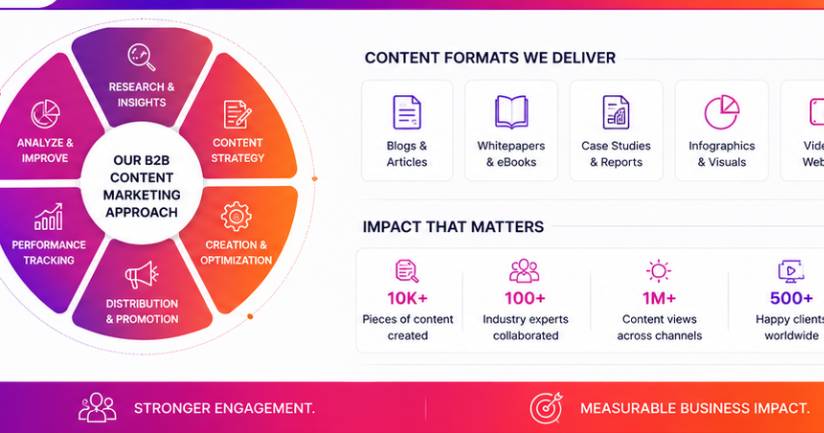
XR Experience → Interaction → Data → AI Marketing Intelligence → Insight → Experience Optimization
XR + CRM
An XR experience can connect with CRM where appropriate.
For example:
Virtual Showroom → Product Interest → Customer Inquiry → CRM → Sales Follow-Up
or:
XR Event Experience → Lead → CRM → Marketing Automation
This helps connect immersive engagement with the wider customer relationship.
XR + CDP
Customer Data Platforms can potentially connect appropriate XR behavioral signals with wider customer data.
The relationship becomes:
XR Interaction → CDP → Customer / Audience Intelligence → Journey → Personalization
Appropriate consent and data governance should determine what information is collected and connected.
XR + Marketing Automation
An immersive interaction can become part of a marketing journey.
For example:
AR Product Experience → Customer Interest → Lead → CRM → Email Follow-Up
or:
Virtual Event → Session Engagement → Marketing Automation → Relevant Content
XR can therefore become part of the wider MarTech ecosystem.
XR + Customer Journey Orchestration
A customer journey might become:
Advertisement → Website → AR Product Experience → Product Page → Purchase → Customer Portal
or:
Event Campaign → Registration → Physical Event → MR Experience → CRM → Follow-Up
Brand Messenger can design XR as one connected stage of the customer journey.
XR + E-Commerce
Move from Viewing Products to Experiencing Them
XR can help bridge product discovery and commerce.
The journey can become:
Browse → Visualize → Configure → Explore → Decide → Purchase
Applications can include:
AR Product Placement
Virtual Showrooms
Virtual Stores
Interactive Product Demonstrations
Spatial Product Discovery
Commerce functionality depends on the connected platform and implementation.
Spatial Commerce
Spatial Commerce extends e-commerce into immersive environments.
Instead of:
Product Grid → Product Page → Cart
the experience can become:
Enter Environment → Explore Products → Interact → Compare → Select → Purchase
This can create new possibilities for retail, automotive, real estate, luxury, entertainment and product brands.
XR + Retail
Retail XR can connect:
Store + AR + Product + Customer + Commerce + Analytics
Applications can include:
Virtual Try-On Concepts
Product Visualization
Interactive Displays
Store Navigation
Product Information
Gamified Promotions
Virtual Stores
The right technology should be selected according to the product and customer experience.
XR + Events & Exhibitions
Brand Messenger can connect XR with:
Virtual Events
Hybrid Events
Exhibitions
Trade Shows
Product Launches
Corporate Events
Awards
Festivals
XR experiences can include:
Virtual Booths
AR Activations
MR Product Demonstrations
Immersive Stages
Virtual Venues
Interactive Event Content
XR + Media & Entertainment
XR can create immersive experiences around:
Films
Television
Streaming
Games
Music
Entertainment Franchises
Festivals
Potential applications include:
Immersive Promotional Worlds
Character Experiences
Virtual Sets
Interactive Trailers
Fan Experiences
Virtual Premieres
Third-party intellectual-property and likeness rights should be appropriately authorized.
XR + Advertising
Brand Messenger can integrate XR with our broader Advertising Services.
The relationship becomes:
Campaign Strategy → Creative Concept → XR Experience → Paid Media → Audience → Interaction → Measurement
XR can extend:
Digital Advertising
Social Advertising
DOOH
Cinema
Retail
Event Advertising
into interactive experiences.
XR + Programmatic Advertising
Programmatic advertising can drive relevant audiences toward immersive experiences.
The journey can become:
Audience → Programmatic Media → XR Landing Experience → Interaction → Conversion → Attribution
XR itself remains the experience while AdTech helps acquire and measure audiences.
XR + DOOH
Digital Out-of-Home campaigns can connect physical screens with immersive mobile or spatial experiences.
For example:
DOOH Creative → QR / Interaction → AR Campaign → Product / Brand Experience
This creates a bridge between public media and personal digital interaction.
XR + Social Media
Immersive creative can support social experiences such as:
AR Effects
Interactive Campaigns
Product Visualization
Branded Experiences
Shareable XR Content
Platform capabilities and policies vary, so experiences should be designed for the intended channels.
XR + Brand Strategy
Immersive experiences should express the brand—not distract from it.
Brand Messenger can connect:
Brand Positioning → Brand Story → Experience Strategy → XR Creative Direction
A premium brand, technology brand, entertainment brand and public-sector organization may each require very different immersive experiences.
XR + Brand Transformation
XR can help organizations demonstrate a transformed brand in new ways.
Potential applications include:
Immersive Brand Launch
Virtual Brand World
Interactive Corporate Experience
Future-Vision Experience
This can make Brand Transformation tangible.
XR + Product Launch Strategy
Brand Messenger can combine:
Go-to-Market Strategy → Product Launch → AI Creative Studio → XR Experience → Advertising → Event → Commerce
This allows the launch to become a connected experience rather than a single campaign asset.
XR + B2B Marketing
B2B organizations can use XR to explain products and services that are difficult to transport or demonstrate.
Applications include:
Industrial Equipment
Manufacturing Systems
Engineering
Architecture
Enterprise Technology
Infrastructure
A sales team can demonstrate a large machine virtually rather than transporting it to every customer.
XR for Manufacturing
Visualize Complex Systems More Clearly
Industrial XR applications can include:
Product Demonstrations
Factory Visualization
Machine Operation
Internal Components
Process Visualization
Training
Maintenance Guidance
Digital Twin Interaction
XR can make invisible or inaccessible processes easier to understand.
XR Training & Simulation
Immersive environments can support training for appropriate use cases.
Potential applications include:
Equipment Familiarization
Process Training
Environment Orientation
Customer-Service Scenarios
Event Operations
Facility Training
XR simulations should not replace certified training or safety procedures where regulated or high-risk activities require them.
XR for Architecture & Real Estate
Brand Messenger can connect XR with architectural visualization for:
Virtual Property Tours
Interior Experiences
Exterior Experiences
Masterplans
Development Presentations
Design Review
Property Marketing
The progression becomes:
Architectural Design → 3D Model → Photorealistic Visualization → XR Experience
XR for Hospitality
Hotels and resorts can create immersive experiences around:
Properties
Rooms
Event Venues
Restaurants
Destination Experiences
Potential customers, event planners and investors can explore spaces remotely.
XR for Tourism
Tourism organizations can create immersive previews of:
Destinations
Attractions
Heritage
Museums
Hotels
Experiences
The objective is to inspire physical travel rather than replace it.
XR for Automotive
Applications can include:
Virtual Showrooms
Vehicle Configuration
Interior Exploration
AR Vehicle Visualization
Product Launches
Interactive Demonstrations
Customers can experience products in ways that conventional photography cannot provide.
XR for Education
Appropriate immersive experiences can help visualize:
Historical Environments
Scientific Concepts
Technical Systems
Architecture
Industrial Processes
Training Scenarios
Educational content should remain accurate and appropriately reviewed.
XR for Healthcare
Potential appropriate applications can include:
Training
Education
Facility Visualization
Patient Information
Product Demonstration
Clinical or medical applications require specialist validation, safety review and appropriate regulatory consideration.
XR for Smart Cities & Government
XR can provide new ways to explore:
City Plans
Infrastructure
Public Projects
Digital Twins
Training Environments
Government Facilities
Public Information Experiences
For relevant advanced city applications, Brand Messenger can connect XR with the wider SAFE AI ecosystem by Messenger2050 Technologies.
XR Experience Design
Design for Space, Movement and Interaction
XR experience design differs from conventional web design.
Teams must consider:
Space
Scale
Distance
Movement
Orientation
Interaction
Comfort
Accessibility
Device Capabilities
Performance
The user is no longer simply scrolling.
They may be moving through and interacting with the experience.
Spatial User Experience
Traditional UX asks:
Where should the button go?
Spatial UX may ask:
Where should the information exist in the environment?
How close should the user be?
What happens when they approach?
How do they interact?
How do they return?
This requires a different approach to experience architecture.
3D Content for XR
XR environments may require specialized assets such as:
3D Models
Environments
Characters
Products
Materials
Textures
Animation
Lighting
Effects
Assets need to balance visual quality with technical performance.
XR Performance Optimization
Highly detailed 3D environments can create performance challenges.
Brand Messenger can plan experiences around:
Model Complexity
Texture Resolution
Animation
Lighting
Device Capability
Network Requirements
Loading
Interaction Performance
The objective is:
Immersive Quality + Practical Performance
Cross-Device XR Strategy
Not every customer owns specialist XR hardware.
Brand Messenger can plan experience accessibility across:
Mobile Devices
Web Browsers
Tablets
AR-Compatible Devices
VR Headsets
MR / Spatial Devices
The technology should match the intended audience.
XR Accessibility
Immersive experiences should consider users who may have:
Mobility Limitations
Visual Limitations
Hearing Limitations
Motion Sensitivity
Device Limitations
Alternative ways to access important content may be appropriate.
XR Analytics
Measure More Than Visits
Brand Messenger can develop analytics around appropriate XR interactions.
Potential metrics include:
Reach
Experience Starts • Users • Sessions
Engagement
Time • Interactions • Completion
Spatial Behavior
Zones • Objects • Paths where appropriately measured
Product
Products Viewed • Configurations • Interactions
Campaign
CTA • Leads • Conversions
Commerce
Product Selection • Cart • Purchase where integrated
Experience
Drop-Off • Repeat Usage • Technical Performance
The measurement framework should align with the actual business objective.
XR Campaign Attribution
A customer journey might become:
Advertisement → XR Experience → Product Interaction → Website → Purchase
Brand Messenger can connect measurable touchpoints with wider advertising attribution where technically possible.
Not every influence can be attributed perfectly.
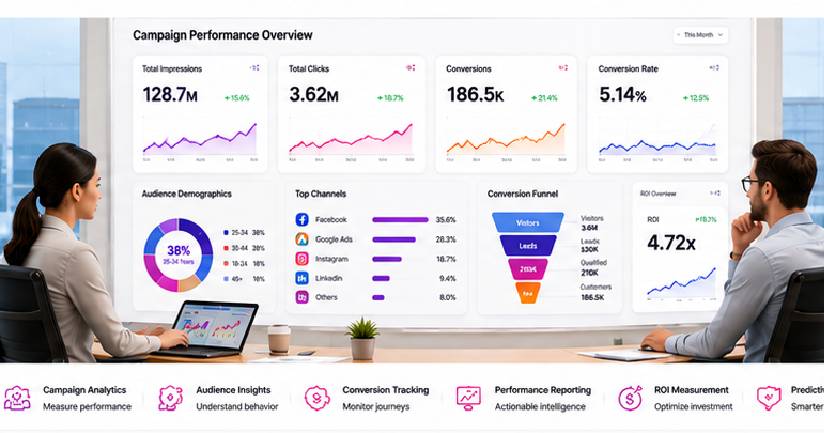
XR Performance Dashboard
A Brand Messenger XR dashboard can provide views around:
Users
Experiences
Engagement
Products
Interactions
Campaigns
Conversions
Technical Performance
This helps teams understand whether an immersive experience is creating meaningful business value.
XR + Business Intelligence
Immersive interaction data can become part of wider enterprise analytics.
The architecture becomes:
XR Interaction → Analytics → Customer / Campaign Data → BI → Business Insight
This helps move XR from experimental technology toward measurable enterprise capability.
Enterprise XR Architecture
A larger XR environment may connect:
Experience Channels
AR • VR • MR • Web • Mobile → XR Experience Layer
3D • Spatial UI • Interaction • Content → Intelligence
AI • Conversational AI • Personalization → Enterprise Systems
CRM • CDP • Commerce • DXP • Digital Twins → Analytics
Customer Intelligence • Marketing Intelligence • BI
This creates a connected enterprise XR ecosystem.
Enterprise XR Governance
Organizations may need standards covering:
Approved Devices
Applications
Content
Brand
3D Assets
Data
Customer Privacy
Security
Accessibility
Analytics
Publishing
Updates
The principle becomes:
Immersive Innovation with Enterprise Control.
XR Privacy & Data Governance
Immersive technologies can potentially collect information about:
Interaction
Movement
Device
Environment
Voice
Account
Location
Some devices may support additional sensor or biometric capabilities.
Brand Messenger can design data practices around:
Data Minimization
Purpose Limitation
Appropriate Consent
Transparency
Access Controls
Retention
Security
The exact requirements depend on the device, application, data collected, jurisdiction and intended use.
XR Security
Enterprise XR should consider:
Authentication
User Accounts
APIs
Enterprise Data
Device Security
Content Security
Network Security
Access Permissions
XR interfaces should not create uncontrolled access to sensitive enterprise systems.
Responsible Immersive Experiences
XR experiences should also consider:
Physical Safety
User Comfort
Motion Sensitivity
Age Appropriateness
Privacy
Accessibility
Misleading Representations
Likeness Rights
Intellectual Property
Brand Messenger can incorporate these considerations during experience design.
Complete Brand Messenger XR Process
A Brand Messenger XR engagement can be structured as:
Business Objective → Audience → Customer / User Journey → XR Opportunity Assessment → AR / VR / MR Selection → Creative Strategy → Experience Concept → AI Creative Exploration → Storyboard / Spatial Experience Design → 3D Asset Development → Interaction Design → Technology Development → Enterprise / CRM / DXP / Commerce Integration → Analytics Integration → Testing → Performance Optimization → Privacy, Security & Governance Review → Deployment → Measurement → Continuous Optimization
The complete lifecycle becomes:
Imagine → Design → Build → Enter → Interact → Measure → Learn → Evolve
Across the Brand Messenger XR Ecosystem
Extended Reality can connect multiple Brand Messenger capabilities:
Brand Strategy
Define What the Experience Represents → AI Creative Studio
Imagine the Immersive Concept → AI Content Generation
Support Creative Production → 3D / Animation / Visualization
Build the Digital World → AR + VR + MR
Create the Immersive Experience → DXP + Conversational AI
Connect the Experience → CRM + CDP + MarTech
Connect the Customer → AdTech
Bring Audiences into the Experience → AI Marketing Intelligence
Understand Engagement → Analytics & BI
Measure Business Impact
The ecosystem becomes:
Brand → Idea → World → Interaction → Customer → Data → Intelligence → Growth
Industries We Serve
Brand Messenger Extended Reality Solutions can support appropriate applications across:
Retail
E-Commerce
Consumer Brands
Automotive
Real Estate
Architecture
Hospitality
Travel & Tourism
Events
Exhibitions
Conferences
Entertainment
Film
Gaming
Media
Technology
SaaS
Manufacturing
Engineering
Industrial Equipment
Education
Healthcare
Professional Services
B2B
Telecommunications
Shopping Centers
Property Development
Government
Smart Cities
Infrastructure
Benefits of Extended Reality Solutions
Brand Messenger XR Solutions can help organizations:
Create immersive customer experiences
Extend physical experiences digitally
Visualize products in real environments
Create virtual product demonstrations
Build virtual showrooms
Create immersive stores
Develop interactive brand campaigns
Transform product launches
Enhance exhibitions
Build interactive event experiences
Create virtual property tours
Explain complex industrial products
Develop immersive training
Connect XR with Digital Twins
Add conversational AI to immersive environments
Connect immersive experiences with DXP
Integrate CRM and customer journeys
Connect XR with commerce
Generate measurable interaction data
Build enterprise XR capabilities
Create new forms of experiential marketing
Why Choose Brand Messenger?
Brand Messenger combines Augmented Reality, Virtual Reality, Mixed Reality, XR Campaigns, Creative Technology, AI Creative Studio, AI Content Generation, 3D Visualization, Animation, Digital Twins, Digital Experience Platforms, Conversational AI, AI Marketing Intelligence, Experiential Marketing, Events, Advertising, AdTech, MarTech, CRM, CDP, Analytics and Business Intelligence within one connected ecosystem.
We do not approach Extended Reality as simply:
Build AR Filter → Create VR Demo → Use Headset → Call It Innovation
We approach it as:
Business Objective → Audience → Brand → Creative Idea → Physical Environment → Digital World → AR / VR / MR → Interaction → Customer Journey → Enterprise Integration → Data → Measurement → Optimization
The distinction matters.
AR can extend the physical world.
VR can create an entirely new world.
MR can bring physical and digital environments together.
XR connects these technologies into a broader immersive-experience strategy.
And when XR is connected with Digital Twins, AI, Conversational AI, DXP, customer data, marketing technology and business intelligence, immersive technology can move beyond novelty and become part of the organization's wider digital ecosystem.
A retail experience can become:
Store → AR → Product → Commerce → CRM
An event can become:
Venue → MR Activation → Audience Engagement → Event Intelligence
A property can become:
Architectural Model → VR Experience → Customer Inquiry → Sales
A factory can become:
Digital Twin → XR → Machine / Process Visualization → Operational Understanding
A campaign can become:
Advertising → XR Experience → Interaction → Conversion → Analytics
And a smart-city environment can become:
Physical City → Digital Twin → SAFE AI Intelligence → XR Visualization → Authorized Decision Support
The result is not simply AR, VR or MR development.
It is an enterprise Extended Reality capability designed to connect immersive technology with brands, customers, physical environments, digital platforms, data and measurable business experiences.
Augment the Physical. Build the Virtual. Blend the Worlds. Create Experiences Beyond the Screen.
AR. VR. MR. XR. One Connected Immersive Experience Ecosystem.