




Event Technology & Smart Event Experiences
Connect the Event. Empower the Attendee. Transform Physical Spaces with Digital Technology. Build Smarter, More Interactive Event Experiences.
Modern events are increasingly connected environments.
The attendee may register online, receive a digital credential, enter through smart check-in, navigate through an event app, use digital wayfinding, interact with touch displays, participate in live polls, connect with other delegates through networking technology, experience AR or VR content and receive personalized event information throughout the day.
These technologies can make an event easier to navigate, more interactive and more measurable but technology alone does not create a better event.
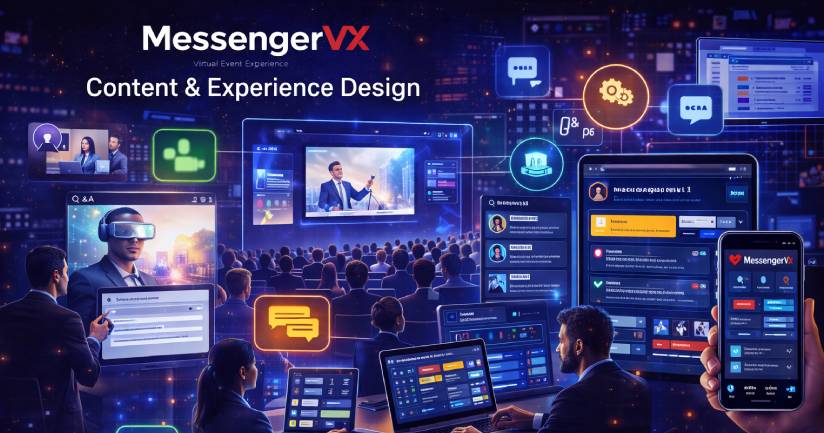
At Brand Messenger, our Event Technology & Smart Event Experiences service brings together event apps, smart badges, interactive kiosks, touch displays, digital wayfinding, AR/VR, interactive experiences, networking technology and live polling within one connected physical-and-digital event ecosystem.
Our core capabilities include:
Event Apps
Smart Badges & Digital Credentials
Interactive Kiosks
Touch Displays
Digital Wayfinding
AR / VR Event Experiences
Interactive Event Experiences
Networking Technology
Live Polling & Audience Response Technology
Our wider capabilities can extend across mobile event experiences, personalized agendas, QR experiences, smart check-in integration, attendee profiles, session discovery, push notifications, digital signage, interactive maps, information kiosks, self-service stations, matchmaking, meeting scheduling, lead exchange, gamification, social walls, interactive exhibitions, smart sponsor activations, digital content delivery, hybrid-event technology, event dashboards, audience analytics, AI Event Intelligence and appropriate physical-space analytics.
Our approach connects:
Attendee → Registration → Credential → Mobile Experience → Venue → Navigation → Content → Interaction → Networking → Engagement → Intelligence → Personalization → Follow-Up
The objective is not:
Add Technology Everywhere.
It is:
Use the Right Technology at the Right Moment to Make the Event Easier to Navigate, More Valuable to Attend, More Engaging to Experience and More Intelligent to Manage.
What Is a Smart Event Experience?
A smart event connects selected physical and digital touchpoints into a more coherent attendee journey.
Instead of:
Registration System
Event App
Screens
Networking Platform
Audience Polling
all operating independently, Brand Messenger can structure a connected environment:
Registration
↓
Attendee Profile
↓
Digital Credential
↓
Smart Check-In
↓
Event App
↓
Digital Wayfinding
↓
Sessions & Content
↓
Interactive Experiences
↓
Networking
↓
Audience Engagement
↓
Event Intelligence
↓
Post-Event Journey
This creates a connected event technology architecture.
Technology Should Serve the Event Experience
A smart event is not necessarily the event with the largest number of screens, sensors or applications.
The first questions should be:
What does the attendee need?
What does the organizer need?
Where is there friction?
Where would interaction add value?
Which processes can technology simplify?
Which information should be measurable?
Only then should the technology be selected.
Our principle is:
Experience First. Technology Second. Intelligence Throughout.
Brand Messenger Event Technology & Smart Event Experience Services
Our capabilities can include:
Event Technology Strategy
Smart Event Architecture
Event Technology Consulting
Event Technology Integration
Event Apps
Mobile Event Experiences
Event Web Apps
Digital Event Portals
Personalized Event Dashboards
Digital Agendas
Personalized Agendas
Session Discovery
Speaker Discovery
Exhibitor Discovery
Sponsor Discovery
Push Notifications
QR Experiences
Digital Tickets
Digital Credentials
Smart Badges
Smart Check-In Integration
Interactive Kiosks
Self-Service Kiosks
Information Kiosks
Registration Kiosks
Touch Displays
Interactive Screens
Digital Signage
Digital Wayfinding
Interactive Venue Maps
AR Wayfinding
AR Event Experiences
VR Event Experiences
Mixed Reality Experiences
XR Experiences
Interactive Installations
Interactive Exhibitions
Interactive Product Experiences
Event Gamification
Live Polling
Audience Voting
Digital Q&A
Audience Response Systems
Networking Technology
Business Matchmaking
Meeting Scheduling
Attendee Networking
Lead Exchange
Smart Exhibitor Experiences
Sponsor Technology
Social Walls
Hybrid Event Technology
Virtual Event Technology
Livestream Integration
Event Data Integration
CRM Integration
CDP Integration
Marketing Automation Integration
Event Dashboards
Attendance Analytics
Engagement Analytics
AI Event Intelligence
Predictive Event Analytics
Physical-Space Analytics where appropriate
Event Technology Strategy
Design the Technology Around the Event Journey
Brand Messenger can map technology requirements across:
Before the Event
Registration
Ticketing
Event App
Agenda Planning
Networking
Arrival
Digital Credential
QR Entry
Smart Check-In
Badge
During the Event
Navigation
Sessions
Content
Polls
Q&A
Networking
Interactive Experiences
After the Event
Content
Contacts
Feedback
CRM
Follow-Up
The technology architecture becomes:
Before → Arrival → Experience → Engagement → Intelligence → After
Event Technology Architecture
Large events can involve multiple systems.
Brand Messenger can help connect:
Registration Platform
↓
Attendee Database
↓
Event App
↓
Check-In & Credentials
↓
Venue Technology
↓
Audience Engagement
↓
Networking
↓
Event Intelligence
↓
CRM / CDP
↓
Marketing Automation
The objective is to reduce unnecessary fragmentation between systems.
Event Apps
Put the Event Experience in the Attendee's Hand
An event app can become the attendee's digital companion before, during and after the event.
Potential capabilities can include:
Event Agenda
Personal Agenda
Speaker Profiles
Session Information
Venue Information
Interactive Maps
Exhibitor Directory
Sponsor Information
Digital Ticket
Notifications
Polls
Q&A
Networking
Meeting Scheduling
Content
Surveys
depending on the event platform.
Before the Event
An event app can help attendees:
Discover the Program
Review Speakers
Select Sessions
Build a Personal Agenda
Explore Exhibitors
Begin Networking
Access Event Information
The experience can start before arrival.
During the Event
The app can support:
Schedule → Navigation → Sessions → Interaction → Networking → Notifications
This reduces the need for attendees to search across disconnected sources for basic event information.
After the Event
The same environment can potentially provide:
Session Content
Recordings
Speaker Materials
Contacts
Surveys
Certificates where applicable
Follow-Up Content
This extends the event beyond the venue.
Personalized Event Apps
Different attendees may need different information.
For example:
Delegate
Agenda + Sessions + Networking
VIP
VIP Agenda + Hospitality + Relevant Access Information
Speaker
Sessions + Speaker Information + Schedule
Exhibitor
Exhibition Information + Leads + Meetings
Sponsor
Activation + Meetings + Relevant Reporting
The event app can become role-aware where platform capabilities support it.
Personalized Agendas
Help Attendees Build Their Own Event Journey
Large events can have hundreds of sessions and activities.
Brand Messenger can provide personalized agenda experiences where attendees can:
Save Sessions
Select Workshops
Schedule Meetings
Add Networking
Receive Relevant Reminders
The architecture becomes:
Complete Event Program → Attendee Preferences → Personal Event Agenda
Smart Recommendations
Where appropriate data and technology are available, AI-assisted recommendations can suggest:
Sessions
Exhibitors
Content
Networking Opportunities
Event Experiences
based on attendee-selected interests and appropriate engagement signals.
Recommendations should remain optional.
Technology Can Recommend the Next Experience. The Attendee Decides What to Do.
Push Notifications
Event apps can deliver appropriate notifications such as:
Session Reminders
Agenda Changes
Meeting Reminders
Venue Updates
Important Operational Information
Notification strategy matters.
Useful Notifications Improve the Experience. Excessive Notifications Become Noise.
Smart Badges
Connect the Attendee Credential with the Event Environment
Smart badges can extend traditional event credentials with digital capabilities.
Depending on the selected technology, they can potentially support:
Check-In
Access
Session Attendance
Networking
Lead Exchange
Interactive Experiences
Gamification
The architecture becomes:
Attendee → Credential → Event Interaction
Smart Badge + Registration Integration
Smart credentials can connect with Brand Messenger's Event Registration, Ticketing & Smart Check-In service.
The journey can become:
Online Registration → Attendee Record → Smart Credential → Check-In → Event Access
This creates continuity between registration and the physical event.
Smart Badge Networking
Where appropriate, badge technology can support networking interactions.
For example:
Attendee A ↔ Attendee B → Voluntary Connection → Contact Exchange
The attendee should remain in control of whether a connection is created.
Smart Badge Lead Exchange
Exhibitors may use supported badge technology for lead exchange.
The journey becomes:
Attendee Visits Exhibitor → Voluntary Scan / Interaction → Lead Record → Follow-Up
Appropriate notice and attendee choice should be incorporated into the experience.
Smart Badge Gamification
Badge interactions can support:
Challenges
Zone Visits
Learning Activities
Exhibition Discovery
where this creates genuine value.
Digital Credentials
Not every event requires physical smart-badge hardware.
Digital credentials within:
Mobile Apps
Mobile Wallet-Compatible Systems
Event Platforms
QR Tickets
may provide sufficient functionality for many events.
Brand Messenger can select technology according to the event requirement rather than assuming more complex hardware is always better.
Interactive Kiosks
Create Self-Service Digital Touchpoints Across the Venue
Interactive kiosks can provide convenient access to:
Event Information
Registration
Check-In
Agenda
Speakers
Exhibitors
Venue Maps
Surveys
Product Content
Competitions
Interactive Experiences
Registration & Check-In Kiosks
A self-service registration kiosk can potentially support:
QR Scan → Attendee Verification → Check-In → Badge Printing
where the selected registration platform and hardware support the workflow.
Human assistance should remain available for exceptions and accessibility needs.
Information Kiosks
Information kiosks can answer common event questions such as:
What is happening now?
Where is a session?
Who is speaking?
Where is an exhibitor?
What is the next activity?
This can reduce pressure on event information desks.
Interactive Exhibition Kiosks
Exhibitors can use kiosks for:
Product Exploration
Digital Catalogs
Product Comparison
Video
Lead Capture
Appointment Requests
Interactive Demonstrations
This turns a static booth display into a more explorable digital experience.
Touch Displays
Let Audiences Explore Content Directly
Touch displays can support:
Interactive Presentations
Product Explorers
Venue Maps
Digital Catalogs
Event Timelines
Exhibitor Directories
Interactive Data
Games
Surveys
Content Libraries
The experience becomes:
See → Touch → Explore → Discover
Multi-Touch Experiences
Larger interactive displays can potentially allow several attendees to explore content simultaneously.
These can be useful for:
Exhibitions
Experience Centers
Product Launches
Brand Activations
Museums & Cultural Events
depending on the application.
Interactive Digital Signage
Traditional signage communicates:
Look Here.
Interactive digital signage can additionally provide:
Explore. Navigate. Select. Respond.
Brand Messenger can connect event signage with its wider Interactive Digital Signage capabilities.
Digital Wayfinding
Help Attendees Find the Right Place at the Right Time
Large venues can be difficult to navigate.
Digital wayfinding can help attendees locate:
Conference Halls
Sessions
Exhibitors
Meeting Rooms
Registration
VIP Areas
Food & Hospitality
Facilities
The journey becomes:
Current Event Location / Selected Starting Point → Destination → Navigation Information
Interactive Venue Maps
Venue maps can be delivered through:
Event Apps
Kiosks
Touch Displays
Digital Signage
Mobile Experiences
Potential features can include:
Search
Venue Zones
Exhibitor Locations
Session Rooms
Facilities
Accessible Routes where reliable mapping data is available
Dynamic Wayfinding
Digital signage can potentially change according to:
Event Schedule
Session Timing
Venue Operations
Crowd Conditions where supported
For example:
Hall A → Keynote Now
or:
Workshop → Level 02
This can make navigation more responsive than static printed signage.
AR Wayfinding
Where technically suitable, augmented reality can overlay navigation or informational elements within a physical event environment.
Potential applications include:
Directional Guidance
Exhibition Discovery
Product Information
Interactive Venue Content
AR should complement reliable venue signage rather than become the only navigation method.
Augmented Reality Event Experiences
Add Digital Layers to Physical Event Spaces
AR can connect physical spaces with digital content.
Potential applications can include:
Product Visualization
Interactive Exhibits
Branded Experiences
Digital Characters
Games
Educational Content
Product Information
Venue Exploration
AR Photo Experiences
The architecture becomes:
Physical Environment + Digital Layer = Augmented Event Experience
AR Product Experiences
Visitors can potentially use AR to:
Visualize Products
Explore Features
See Internal Components
Experience Different Configurations
This can be particularly useful where the physical product is:
Large
Complex
Difficult to Transport
Not Yet Manufactured
Virtual Reality Event Experiences
Create Immersive Worlds Within the Event
VR can create controlled immersive experiences for:
Product Demonstrations
Virtual Tours
Training
Simulation
Entertainment
Storytelling
Brand Experiences
The attendee can temporarily move from the physical venue into a purpose-built digital environment.
VR Product Demonstrations
VR can be useful for demonstrating:
Architecture
Property
Industrial Systems
Vehicles
Tourism Destinations
Complex Environments
Training Scenarios
without requiring the full physical environment at the event.
Mixed Reality & XR
Brand Messenger can extend event experiences through:
Mixed Reality
Spatial Experiences
Extended Reality
Holographic-Style Content
Interactive Spatial Visualization
where appropriate.
These capabilities connect with Brand Messenger's wider Creative Technology & Innovation services.
Technology Should Not Become the Attraction Without a Purpose
AR, VR and interactive displays can attract attention.
But novelty alone is not a strategy.
Our principle is:
Use Immersion to Improve Understanding, Participation or Experience not Simply to Demonstrate That the Technology Exists.
Interactive Event Experiences
Turn Physical Event Spaces into Participatory Environments
Brand Messenger can combine:
Touch
Mobile
QR
Screens
Projection
AR
VR
Gamification
Audience Response
to create interactive event experiences.
Potential applications can include:
Product Launches
Exhibitions
Sponsor Activations
Conferences
Festivals
Corporate Events
Experience Centers
QR-Powered Event Experiences
QR codes can create simple physical-to-digital connections.
Potential uses include:
Event Content
Speaker Profiles
Session Information
Product Information
Exhibitor Content
Surveys
Polls
Competitions
Downloads
The architecture becomes:
Physical Touchpoint → QR → Digital Experience → Action
Event Gamification Technology
Technology can support:
Points
Badges
Challenges
Missions
Quizzes
Leaderboards
Rewards
Scavenger Hunts
The objective should be meaningful participation.
Gamify Discovery, Learning and Engagement not Meaningless Activity.
Live Polling
Turn Every Compatible Device into an Audience Response Tool
Live polling can allow attendees to participate using:
Mobile Devices
Event Apps
QR-Accessible Web Experiences
Supported Audience Response Systems
The flow becomes:
Question → Audience Vote → Live Result → Discussion
This can connect audiences directly with speakers and sessions.
Live Polling + Stage Screens
Poll results can be displayed across:
LED Screens
Projection
Livestream
Event App
where appropriate.
This creates:
Mobile Participation → Live Stage Visualization
and connects audience technology with Brand Messenger's Event Content, Media & Live Production service.
Live Q&A Technology
Digital Q&A can allow attendees to:
Submit Questions
Vote on Questions
Participate Remotely
Interact During Sessions
Moderation tools can help organizers manage the conversation.
Audience Response Systems
Audience response technology can support:
Polls
Quizzes
Surveys
Voting
Feedback
for:
Conferences
Seminars
Workshops
Training
Corporate Meetings
Product Launches
Networking Technology
Use Technology to Help the Right People Find Each Other
One of the greatest values of many events is not the content on stage.
It is:
Who You Meet.
Brand Messenger can use networking technology to support:
Attendee Discovery
Business Matchmaking
Meeting Requests
Meeting Scheduling
Networking Recommendations
Digital Contact Exchange
Networking Lounges
Attendee Networking Profiles
Attendees can choose to create networking profiles containing appropriate information such as:
Professional Role
Organization
Industry
Business Interests
Networking Objectives
Privacy controls should determine what other attendees can see.
Business Matchmaking
For B2B events, technology can support:
Business Need → Relevant Potential Connection → Meeting Request → Scheduled Meeting
Potential matching scenarios include:
Buyer ↔ Supplier
Investor ↔ Business
Brand ↔ Partner
Enterprise ↔ Technology Provider
Distributor ↔ Manufacturer
AI-Assisted Networking
AI can help recommend potential connections using appropriate attendee-provided information.
For example:
Industry + Role + Business Interest + Networking Objective → Potential Connections
AI can recommend.
People decide.
Technology Finds Possibilities. People Build Relationships.
Meeting Scheduling
Attendees can potentially:
Request Meetings
Accept Invitations
Select Time Slots
Select Meeting Locations
Receive Reminders
This turns informal networking into a more structured experience.
Smart Networking Lounges
Physical networking environments can connect with digital scheduling.
For example:
App Meeting Request → Confirmed Meeting → Networking Lounge → Table / Meeting Point
This connects digital networking with the physical venue.
Exhibitor Technology
Build Smarter Exhibition Experiences
Brand Messenger can create technology environments for exhibitors including:
Digital Product Catalogs
Touch Displays
Interactive Kiosks
AR Product Experiences
VR Demonstrations
Lead Capture
Smart Badge Interaction
Appointment Scheduling
Interactive Games
This creates more opportunities for visitor engagement.
Smart Lead Capture
Where appropriate, exhibitors can capture voluntarily provided attendee information through:
QR
Badge Scan
Digital Form
Event App
Kiosk
The architecture becomes:
Visitor → Interaction → Permission / Data Exchange → Lead → CRM → Follow-Up
Sponsor Technology
Sponsors can use event technology for:
Interactive Activations
Games
Digital Displays
AR / VR
Polls
Sponsored Content
Networking
Lead Capture
This can turn sponsorship from passive exposure into measurable audience participation.
Interactive Sponsor Activations
A sponsor experience can become:
Discover → Interact → Participate → Learn → Continue
rather than simply:
See Sponsor Logo.
Social Walls
Digital screens can display appropriately moderated:
Event Posts
Photos
Hashtags
Audience Content
Event Updates
This can connect online conversation with the physical venue.
Content moderation and appropriate permissions should be considered.
Event Technology + Social Media
Event apps and interactive experiences can create shareable moments through:
Photos
AR Experiences
Competitions
Event Content
Social Walls
This connects physical participation with digital event visibility.
Hybrid Event Technology
Connect Physical and Remote Participants
Hybrid-event technology can connect:
Venue Audience
Remote Audience
through:
Livestreaming
Remote Speakers
Live Polling
Q&A
Digital Networking
Event Apps
Virtual Sessions
On-Demand Content
The objective is to design meaningful participation for both audiences.
Virtual Event Technology
Fully virtual events can include:
Registration
Digital Event Portal
Livestreams
Sessions
Networking
Exhibitors
Polls
Q&A
Content
Analytics
depending on the selected platform.
Event Technology + Live Production
Brand Messenger's Event Content, Media & Live Production capabilities can connect technology with:
Stage Screens
Live Cameras
Livestream
Motion Graphics
Presentations
Poll Results
Q&A
Interactive Content
The architecture becomes:
Audience Interaction → Event Technology → Production Control → Stage / Stream
This creates a more connected live experience.
Event Technology + Registration & Smart Check-In
Brand Messenger's Event Registration, Ticketing & Smart Check-In service can provide the first technology layer.
The journey becomes:
Registration → Ticket → QR → Check-In → Badge → Event App → Event Experience
This connects attendee identity or credential information with the wider event journey where appropriate.
Event Technology + Audience Engagement
Brand Messenger's Event Audience Engagement & Interactive Experiences service provides the engagement layer.
The architecture becomes:
Technology → Polls → Q&A → Gamification → Interactive Content → Networking → Participation
Technology is the infrastructure.
Engagement is the experience created through it.
This distinction is important.
Event Technology + Event Marketing
Brand Messenger's Event Marketing & Audience Acquisition service can connect pre-event campaigns with event technology.
The journey becomes:
Campaign → Registration → Event App → Attendance → Engagement → Follow-Up
This creates continuity from audience acquisition to event participation.
Event Technology + CRM
Event systems can connect appropriate attendee data with CRM.
For example:
Registration → Event Attendance → Requested Product Information → CRM → Follow-Up
This can connect event activity with longer-term customer relationships.
Event Technology + CDP
Where appropriate, event interaction data can connect with a Customer Data Platform.
The architecture can become:
Registration + Event App + Engagement + CRM → CDP → Customer / Audience Intelligence
subject to platform capabilities, permissions and data governance.
Event Technology + Marketing Automation
Appropriate event signals can support workflows such as:
Registered → Confirmation
Session Selected → Reminder
Requested Information → Follow-Up
Attended Event → Post-Event Content
This connects smart-event technology with Brand Messenger's MarTech ecosystem.
Event Technology + AI Event Intelligence
Turn Connected Event Systems into Decision Support
Technology generates event signals.
Brand Messenger's AI Event Intelligence & Audience Analytics can help turn appropriate signals into useful analysis.
The architecture becomes:
Registration
Check-In
Event App
Sessions
Polls & Q&A
Networking
Interactive Experiences
Physical-Space Analytics where appropriate
↓
AI Event Intelligence
↓
Operational Insights + Audience Insights + Event Performance
Event Technology Data Layer
Potential data sources can include:
Registration
Ticketing
Check-In
Event App
Session Attendance
Polling
Q&A
Networking
Exhibitor Interaction
Kiosks
Interactive Experiences
Surveys
CRM
The objective is not to combine every available data point simply because it exists.
It is to connect data that supports a defined event purpose.
Face Signatures Integration
Where appropriate, Face Signatures by Messenger2050 Technologies can provide a supporting physical-space AI and analytics layer within selected smart-event environments.
Depending on deployment, configuration and applicable requirements, it may support analysis around:
Visitor Traffic
Movement Patterns
Zone Activity
Crowd Patterns
Repeat-Visit Trends
Physical-Space Engagement
This can complement digital signals from:
Registration + Event App + Interactive Technology + Physical-Space Analytics
to create a broader event-intelligence view.
Smart Events Do Not Require Biometric Identity
Many smart-event capabilities can operate using:
QR Credentials
Event Apps
Smart Badges
Anonymous or Aggregated Analytics
Session Data
Interaction Data
without biometric identification.
Our principle remains:
Use Identity When Identity Is Necessary. Use Aggregated Intelligence When It Is Enough.
Where facial recognition, biometric identification or identity-linked analytics are proposed, appropriate purpose, notice, permissions or other lawful basis, security, retention and governance requirements should be addressed.
Event Technology + Visitor Flow Intelligence
Where appropriate sensing and analytics are available, event teams can analyze:
Traffic
Movement
Zone Activity
Dwell
Congestion
This can help improve:
Venue Layout
Wayfinding
Exhibition Planning
Operational Decisions
Observed movement should not automatically be interpreted as personal intent.
Smart Wayfinding + Event Intelligence
Wayfinding can become more useful when organizers understand recurring movement patterns.
For example:
Repeated Congestion → Review Signage / Route / Schedule
This creates a learning loop:
Observe → Understand → Improve Event Navigation
Event Technology + Predictive Analytics
Where sufficient reliable historical and current data exists, Brand Messenger can use predictive analytics to estimate:
Attendance
Session Demand
Venue Traffic
Registration Patterns
Other Defined Event Demand
Forecasts remain estimates rather than guaranteed outcomes.
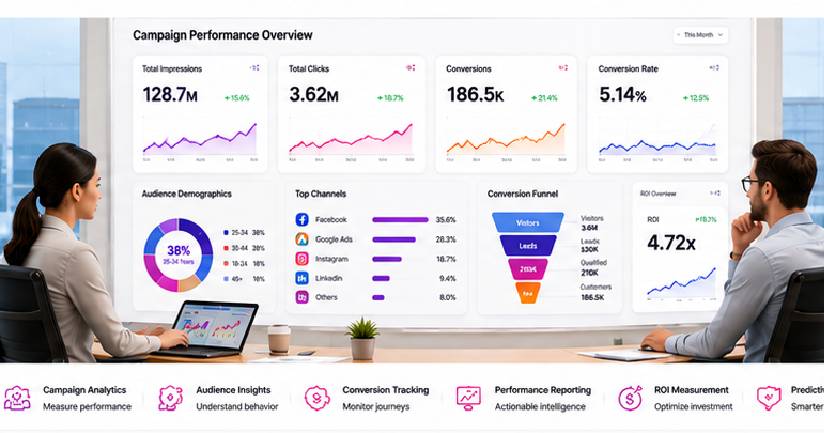
Real-Time Event Technology Dashboard
A connected operational dashboard can potentially display:
Registration
Registered
Checked In
Attendance
Arrival Trends
Session Activity
Engagement
Polls
Q&A
Interactive Experiences
Networking
Connections
Meeting Activity
Venue
Traffic
Zone Activity where supported
Technology
Relevant System Status
This can provide event teams with a more connected operational view.
Organizer Command View
For larger events, Brand Messenger can develop an event technology command view combining selected information from:
Registration + Check-In + Attendance + Engagement + Venue + Production
where system integrations support it.
The objective is:
One Operational View of the Connected Event.
Executive Event Technology Dashboard
Management may require a different view:
Registrations
↓
Attendance
↓
Engagement
↓
Networking
↓
Leads / Relationships
↓
Business Outcomes where measurable
This turns technology data into business-level event intelligence.
Technology Integration & APIs
Connect Event Systems Where Appropriate
An event may involve:
Registration Platform
Ticketing
Event App
CRM
CDP
Marketing Automation
Livestream
Networking Platform
Polling Technology
Analytics
Brand Messenger can design integration architecture through available:
APIs
Webhooks
Data Connections
Supported Platform Integrations
The exact level of integration depends on the systems and interfaces available.
Avoid Unnecessary Event Technology Silos
Without integration:
Registration Does Not Know the App
App Does Not Know the CRM
Networking Does Not Connect with Follow-Up
Analytics Remain Fragmented
A better architecture can become:
Connected Systems → Connected Data → Connected Attendee Experience
Event Technology Security
Connected event systems can contain attendee and business information.
Appropriate controls can include:
Role-Based Access
Account Security
Encryption where supported
Data Access Controls
Auditability
Retention Rules
Vendor Governance
Secure Integrations
depending on the selected technology architecture.
Privacy-Aware Smart Events
Smart Should Not Mean Intrusive
An intelligent event does not need to track every possible attendee action.
Brand Messenger can design around:
Defined Purpose
Data Minimization
Transparency
Appropriate Consent
Communication Preferences
Security
Retention
Aggregation where sufficient
Our principle is:
Create a Smarter Experience Without Turning the Event into Unnecessary Surveillance.
Accessibility in Event Technology
Smart-event technology should consider attendees with different needs.
Depending on the application, this can include:
Accessible Mobile Interfaces
Readable Displays
Appropriate Contrast
Captioning
Alternative Navigation
Non-Touch Alternatives
Human Assistance
Accessible Wayfinding
Technology should increase access not create a new barrier.
Technology Redundancy & Contingency
Digital event systems can be affected by:
Connectivity
Power
Hardware
Platform Availability
Device Compatibility
Important event processes should therefore consider appropriate contingency planning.
For example:
Digital Check-In + Human Exception Handling
Digital Wayfinding + Physical Signage
Event App + Information Desk
Livestream + Local Recording
The principle is:
Design Smart Events That Can Still Function When a Technology Component Fails.
Event Technology Testing
Before launch, appropriate testing can cover:
Registration Integration
QR Credentials
Check-In
Badges
Event App
Kiosks
Touchscreens
Wayfinding
Polling
Networking
Stage Integration
Analytics
The lifecycle becomes:
Configure → Integrate → Test → Rehearse → Deploy → Monitor
Event Technology Support
Depending on the engagement, Brand Messenger can coordinate technology support across:
Pre-Event
Configuration
Integration
Testing
Event Day
Monitoring
Operational Support
Issue Coordination
Post-Event
Data
Reporting
Content / System Handover
Event Technology for Conferences & Summits
For Conferences, Summits & Business Forums, the technology ecosystem can include:
Registration → Event App → Personal Agenda → Digital Wayfinding → Sessions → Polling → Q&A → Networking → Analytics
This creates a connected delegate experience.
Event Technology for Exhibitions
For exhibitions:
Registration → Smart Badge → Exhibitor Directory → Wayfinding → Interactive Booth → Lead Exchange → Engagement Analytics
can create a more connected visitor journey.
Event Technology for Product Launches
For product launches:
Registration → Mobile Experience → AR / VR → Interactive Product Content → Live Polling → Follow-Up
can extend product discovery beyond the stage presentation.
Event Technology for Award Shows
Award ceremonies can integrate:
Digital Invitations
Smart Check-In
VIP Credentials
Interactive Screens
Audience Voting where appropriate
Social Walls
Event Apps
Live Production
into one connected experience.
Event Technology for Festivals & Entertainment Events
Technology can support:
Ticketing
QR Entry
Event Apps
Schedules
Digital Maps
Notifications
Interactive Experiences
Social Engagement
depending on event scale.
Event Technology for Corporate Events
Corporate applications can include:
Employee Registration
Digital Agendas
Interactive Presentations
Polling
Q&A
Networking
Training Experiences
Feedback
Event Technology for Multi-Day Events
A multi-day app can help attendees manage:
Day 01 → Day 02 → Day 03
across:
Sessions
Meetings
Notifications
Content
Exhibitions
while organizers can analyze appropriate daily participation patterns.
Event Technology for Multi-Venue Events
Where events span several halls or venues, technology can help connect:
Agenda
Venue Maps
Transportation Information
Wayfinding
Notifications
Session Updates
into one attendee information layer.
Event Technology Maturity Model
Level 01 — Digital Event
Online Registration + Digital Information
Level 02 — Connected Attendee Event
Event App + QR + Digital Agenda + Notifications
Level 03 — Interactive Smart Event
Kiosks + Touch Displays + Polling + Q&A + Networking
Level 04 — Immersive Event
AR + VR + Interactive Installations + Gamification + Smart Badges
Level 05 — Intelligent Connected Event
Registration + App + Engagement + CRM + Event Analytics + Physical/Digital Intelligence
Level 06 — AI-Powered Smart Event Ecosystem
Connected Event Systems + AI Event Intelligence + Personalization + Predictive Analytics + Executive BI
The goal is not necessarily to reach Level 06.
The right level is the one that serves the event's audience, objectives and operational requirements.
Complete Brand Messenger Smart Event Technology Process
A comprehensive engagement can follow:
Event Objective
↓
Audience
↓
Attendee Journey
↓
Technology Requirements
↓
Event Technology Architecture
↓
Registration Integration
↓
Digital Credentials
↓
Event App
↓
Smart Badges where appropriate
↓
Kiosks & Touch Displays
↓
Digital Wayfinding
↓
Interactive Content
↓
AR / VR / XR
↓
Live Polling & Q&A
↓
Networking Technology
↓
Sponsor & Exhibitor Technology
↓
Live Production Integration
↓
Event Data Integration
↓
CRM / CDP
↓
AI Event Intelligence
↓
Dashboard & Analytics
↓
Post-Event Follow-Up
↓
Event Learning & Optimization
The lifecycle becomes:
Connect → Navigate → Interact → Participate → Network → Measure → Personalize → Learn → Improve
Across the Brand Messenger Smart Event Ecosystem
Event Technology & Smart Event Experiences connects Brand Messenger's event, creative, MarTech and intelligence capabilities.
Event Marketing & Audience Acquisition
Build the Audience
↓
Event Registration, Ticketing & Smart Check-In
Create the Attendee Record and Credential
↓
Event Technology & Smart Event Experiences
Event Apps • Smart Badges • Kiosks • Touch Displays • Wayfinding • AR/VR • Interactive Experiences • Networking • Live Polling
↓
Conferences, Summits & Business Forums
Create the Event Environment
↓
Event Audience Engagement & Interactive Experiences
Turn Technology into Participation
↓
Event Content, Media & Live Production
Connect Interaction with Screens, Stage and Livestream
↓
AI Event Intelligence & Audience Analytics
Turn Event Signals into Insights
↓
Face Signatures by Messenger2050 Technologies
Support Appropriate Physical-Space Intelligence Where Relevant
↓
CRM + CDP
Connect Event Activity with Customer Relationships
↓
Marketing Automation
Continue Relevant Communication
↓
Customer Journey Analytics
Understand the Complete Attendee Journey
↓
Predictive Analytics
Add Forward-Looking Event Intelligence
↓
Marketing Dashboard & KPI Reporting
Turn Event Data into Executive Intelligence
The complete architecture becomes:
Registration → Credential → Venue → App → Navigation → Content → Interaction → Networking → Engagement → Intelligence → Personalization → Relationship
Events & Environments We Can Support
Brand Messenger Event Technology & Smart Event Experiences can support appropriate applications across:
Conferences
Business Summits
Executive Forums
Conventions
Seminars
Symposiums
Trade Shows
Exhibitions
Corporate Events
Product Launches
Brand Activations
Award Shows
Ceremonies
Film Festivals
Entertainment Events
Festivals
Sports Events
Roadshows
Pop-Up Experiences
Experience Centers
Retail Events
Investor Events
Customer Events
Partner Events
Dealer & Distributor Events
Government & Institutional Events
Educational Events
Training Events
Hybrid Events
Virtual Events
Multi-Day Events
Multi-Venue Events
International Events
Benefits of Event Technology & Smart Event Experiences
Brand Messenger can help organizations:
Develop a complete event technology strategy
Map technology across the attendee journey
Build connected event technology architecture
Create event apps and mobile experiences
Develop personalized agendas
Provide session and exhibitor discovery
Integrate digital credentials
Deploy smart badges where appropriate
Create interactive kiosks
Build self-service event experiences
Develop touch-display content
Create digital wayfinding
Build interactive venue maps
Develop AR event experiences
Create VR experiences
Build mixed-reality and XR experiences
Develop interactive exhibitions
Integrate event gamification
Deploy live polling and Q&A
Build networking technology
Support business matchmaking
Develop meeting scheduling
Create smart exhibitor experiences
Build sponsor technology activations
Connect hybrid and virtual audiences
Integrate event technology with live production
Connect registration with event experiences
Integrate CRM and CDP
Connect marketing automation
Develop event dashboards
Connect digital and physical event intelligence
Integrate Face Signatures where appropriate
Use predictive analytics where sufficient data exists
Improve technology accessibility
Build privacy-aware smart event environments
Reduce unnecessary technology fragmentation
Create reusable intelligence for future events
Why Choose Brand Messenger?
Brand Messenger combines Event Apps, Smart Badges, Interactive Kiosks, Touch Displays, Digital Wayfinding, AR/VR/XR, Interactive Experiences, Networking Technology, Live Polling, Smart Registration, Live Production, CRM, Marketing Automation and AI Event Intelligence within one connected smart-event ecosystem.
We do not approach event technology as:
Add an App → Add Screens → Add QR Codes → Call It a Smart Event.
We approach it as:
Understand the Audience → Map the Attendee Journey → Identify Friction → Select the Right Technology → Connect the Systems → Create Meaningful Interaction → Capture Appropriate Data → Build Intelligence → Improve the Experience.
The distinction matters.
Event Apps become the attendee's digital event companion.
Smart Badges connect credentials with appropriate event interactions.
Interactive Kiosks provide useful self-service touchpoints.
Touch Displays turn static information into explorable content.
Digital Wayfinding helps attendees navigate complex event environments.
AR & VR create immersive experiences where immersion has a real purpose.
Interactive Experiences transform event spaces into participatory environments.
Networking Technology helps relevant people discover and connect with each other.
Live Polling gives audiences an immediate voice.
Registration & Smart Check-In connects the attendee with the technology ecosystem from the beginning.
Event Content & Live Production brings digital interaction onto the stage, screens and livestream.
AI Event Intelligence & Audience Analytics helps organizers understand how the connected event is being used.
And CRM, CDP & Marketing Automation can continue appropriate attendee relationships after the event ends.
The result is not technology for technology's sake.
It is a connected physical-and-digital event environment designed around the attendee experience, event operations, meaningful interaction and measurable intelligence.
Connect the Event. Guide the Journey. Make the Experience Interactive. Bring People Together. Turn Event Technology into Event Intelligence.
Event Apps. Smart Badges. Interactive Kiosks. Touch Displays. Digital Wayfinding. AR/VR. Interactive Experiences. Networking Technology. Live Polling. One Connected Smart Event Technology Ecosystem.