




Holographic & Projection Experiences
Transform Surfaces into Stories. Bring Ideas into Space. Create Spectacular Visual Experiences That Audiences Remember.
Some experiences are designed to communicate.
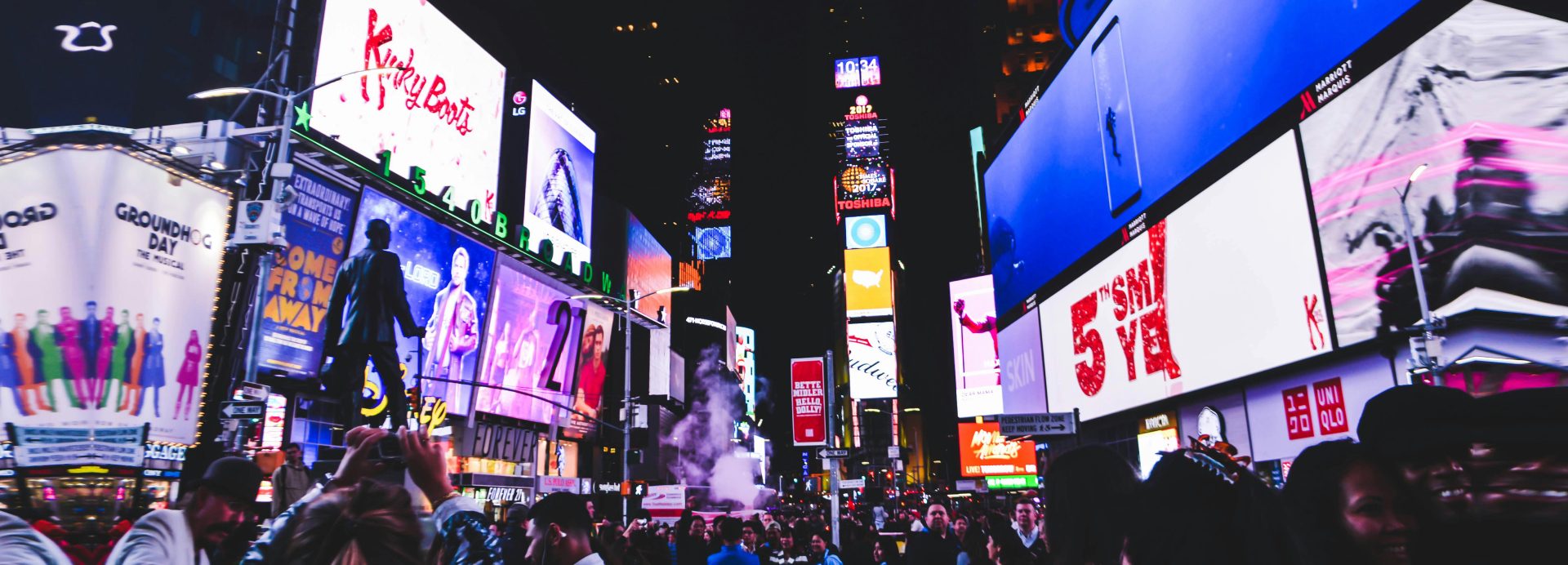
Others are designed to make people stop, look, gather, interact, photograph, record, share—and remember.
At Brand Messenger, our Holographic & Projection Experiences service combines projection mapping, holographic-style visual experiences, interactive projection, 3D projection shows, animation, VFX, spatial design, immersive technology, sound, lighting, experiential marketing and creative technology to transform physical environments into extraordinary visual experiences.
Our four core capabilities are:
Projection Mapping
Holographic Experiences
Interactive Projection
3D Projection Shows
These capabilities can be developed for brand launches, corporate events, exhibitions, retail environments, buildings, product launches, entertainment, festivals, awards, conferences, hospitality, real estate, automotive, museums, public installations and premium experiential campaigns.
Our approach connects:
Brand → Story → Space → Surface → Technology → Content → Light → Motion → Sound → Interaction → Audience Experience
The objective is not simply to project a video onto a wall.
It is to make the architecture, object, stage, product or physical environment itself become part of the creative experience.
Turn Space into Media. Turn Light into Story. Turn the Physical Environment into an Experience.
What Are Holographic & Projection Experiences?
Holographic and projection experiences use advanced visual-display, projection, spatial-content and interactive technologies to present digital imagery within physical environments.
Depending on the application, audiences may experience:
Buildings appearing to transform
Products surrounded by animated visual worlds
Digital figures appearing within physical displays
Walls responding to audience movement
Floors becoming interactive environments
Objects appearing to change material or structure
Stages extending into digital worlds
3D illusions emerging from physical surfaces
Brand stories unfolding across architecture
These experiences sit at the intersection of:
Creative Direction + Technology + Architecture + Animation + Light + Sound + Physical Space
Brand Messenger Holographic & Projection Services
Our capabilities can include:
Projection Mapping
Architectural Projection Mapping
Building Projection Mapping
Object Projection Mapping
Product Projection Mapping
Stage Projection Mapping
Interior Projection Mapping
Immersive Room Projection
Holographic Experiences
Holographic-Style Displays
Holographic Product Presentations
Holographic Presenters
Holographic Brand Experiences
Interactive Projection
Interactive Walls
Interactive Floors
Interactive Tables & Surfaces
Motion-Responsive Projection
Gesture-Responsive Experiences
Touch-Interactive Projection
3D Projection Shows
3D Mapping Shows
Immersive Projection Shows
Projection-Mapped Storytelling
Product Launch Shows
Corporate Projection Experiences
Event Projection Experiences
Exhibition Projection Experiences
Retail Projection Experiences
Automotive Projection Experiences
Real Estate Projection Experiences
Museum & Cultural Experiences
Festival Projection Shows
Award Show Visual Experiences
Entertainment Projection Experiences
Experiential Advertising
Digital Art Installations
Branded Immersive Installations
Spatial Content Design
Projection Animation
3D Animation
Motion Graphics
VFX
Sound-Synchronized Visuals
Sensor Integration
Interactive Technology Integration
AI-Assisted Creative Development
XR Integration
Digital Twin Integration
Experience Analytics where technically appropriate
Technical Planning & Show Design
Projection Mapping
Make Architecture and Physical Objects Become Part of the Story
Projection Mapping allows digital content to be designed around the geometry of a physical surface.
Instead of projecting a conventional rectangular video, content can be mapped precisely onto architectural or object features.
Potential surfaces include:
Buildings
Stages
Walls
Products
Vehicles
Sculptures
Exhibition Structures
Interior Spaces
Retail Installations
Event Sets
The process becomes:
Physical Surface → Spatial Measurement → Digital Model → Creative Concept → Mapped Content → Projection → Physical-Digital Illusion
Architectural Projection Mapping
Turn Buildings into Giant Digital Canvases
Architectural projection mapping can transform the appearance of a building without physically reconstructing it.
Windows can appear to move.
Walls can appear to open.
Structures can appear to collapse and rebuild.
Architectural details can illuminate, transform or disappear.
The building itself becomes part of the animation.
Applications can include:
Corporate Anniversaries
Product Launches
Festivals
Destination Marketing
Public Celebrations
Cultural Events
Entertainment
Brand Activations
Government & Civic Events
Building Projection Shows
A building-scale show can combine:
Architecture + 3D Animation + Motion Graphics + VFX + Music + Sound Design + Lighting
into one synchronized visual experience.
The structure can appear to transform through different worlds, periods, materials or stories.
For example:
Real Building → Digital Transformation → Brand Story → Product Reveal → Future Vision → Finale
This creates a powerful format for large public and corporate experiences.
Projection Mapping for Brand Storytelling
Projection mapping can communicate a complete brand story through space.
A sequence might become:
Origin → Heritage → Innovation → Products → Customers → Future
Instead of presenting that story through slides or a conventional corporate film, the architecture becomes the storytelling medium.
Product Projection Mapping
Make the Product Become the Screen
Projection mapping does not require a building.
Digital content can be mapped directly onto physical products.
Potential applications include:
Cars
Machines
Packaging
Consumer Electronics
Furniture
Fashion Displays
Product Models
Industrial Equipment
The product can appear to:
Change Color
Change Material
Reveal Internal Components
Transform
Animate
Display Features
React to Music
Become Part of a Story
Automotive Projection Mapping
Automotive brands can use mapped projection to transform a stationary vehicle into a dynamic launch experience.
A vehicle may appear to move through:
City → Desert → Circuit → Future World
while remaining physically on stage.
Projection can also highlight:
Exterior Design
Lighting
Aerodynamics
Technology
Performance
Brand Identity
This can create a premium vehicle reveal without relying entirely on conventional LED-screen content.
Industrial Product Projection
Large machines and technical products can use projection mapping to explain:
Components
Internal Systems
Material Flow
Operational Stages
Technology
Product Advantages
This can connect Brand Messenger's immersive technology capabilities with wider Messenger2050 industrial visualization and animation expertise.
Stage Projection Mapping
Extend the Stage Beyond Physical Set Design
Projection mapping can transform stages for:
Conferences
Awards
Product Launches
Concerts
Corporate Events
Fashion Shows
Entertainment Events
Physical stage elements can be combined with mapped digital content to create changing environments without rebuilding the stage for every sequence.
One stage can visually become:
Corporate Environment → City → Abstract Data World → Product World → Celebration Finale
Interior Projection Mapping
Projection can transform interior environments such as:
Ballrooms
Exhibition Halls
Hotel Spaces
Museums
Retail Stores
Experience Centers
Corporate Lobbies
Walls, ceilings and floors can become part of one coordinated visual environment.
360° Immersive Projection
Surround the Audience with the Experience
Instead of placing the audience in front of a screen, immersive projection can surround them with visual content.
Potential configurations can include:
Multi-Wall Projection
Floor Projection
Ceiling Projection
Panoramic Projection
Immersive Rooms
Dome-Like Experiences where appropriate
The experience becomes:
Audience Inside the Content
rather than:
Audience Watching the Content
Immersive Rooms
An ordinary room can be transformed into:
A Future City
A Product World
An Underwater Environment
A Historical Environment
A Data Visualization Space
A Brand Universe
An Artistic Experience
This can be valuable for:
Brand Experiences
Museums
Exhibitions
Entertainment
Education
Hospitality
Corporate Experience Centers
Holographic Experiences
Make Digital Content Appear to Exist in Physical Space
Brand Messenger can develop holographic and holographic-style experiences designed to create the visual impression of digital content existing within or alongside the physical environment.
Applications can include:
Product Displays
Virtual Presenters
Digital Characters
Product Demonstrations
Brand Storytelling
Exhibitions
Retail
Events
Museums
Entertainment
Different technologies can create different types of holographic or hologram-like experiences. The appropriate technology depends on the required viewing angle, scale, venue, lighting, audience distance and creative objective.
Holographic Product Displays
A product can be represented digitally in a display environment where audiences can view:
3D Form
Product Rotation
Components
Features
Animation
Exploded Views
Internal Systems
This can be useful where the physical product is:
Too Large
Too Small
Too Expensive
Not Yet Manufactured
Difficult to Transport
Internally Complex
Holographic Product Launches
Reveal the Product in a New Way
A launch can begin with an apparently empty space.
Digital light forms.
Particles assemble.
A product emerges visually.
Features appear around it.
The physical product can then be revealed.
The sequence becomes:
Anticipation → Digital Formation → Holographic Product → Feature Story → Physical Reveal
This creates a powerful bridge between digital storytelling and physical launch theatre.
Holographic Presenters
Holographic-style presentation systems can allow appropriately captured or generated presenter content to appear within a physical event environment.
Potential applications include:
Executive Presentations
Conferences
Product Launches
Exhibitions
International Events
Educational Experiences
Where a real person's image or likeness is used, appropriate authorization and usage rights should be secured.
Remote Holographic Appearances
In suitable technical environments, remote-presenter experiences can create the visual impression of a speaker appearing at another location.
This can support:
International Conferences
Corporate Meetings
Product Launches
Multi-City Events
Technical design depends heavily on capture, transmission, venue, display technology and production conditions.
Holographic Brand Ambassadors & Characters
Brands can also develop fictional digital characters for immersive installations.
These may serve as:
Brand Guides
Product Presenters
Event Hosts
Entertainment Characters
Interactive Assistants
When combined with Conversational AI, some digital characters can become interactive rather than purely pre-recorded.
Holographic Product Demonstrations
Complex products can be presented through animated 3D representations.
For example:
Complete Product → Exploded View → Internal Components → Operating Process → Reassembly
This can be particularly valuable for technology, engineering, automotive, medical-device, manufacturing and industrial exhibitions.
Interactive Projection
Make the Audience Part of the Visual Experience
Traditional projection communicates in one direction:
Projector → Surface → Audience
Interactive Projection introduces another layer:
Audience → Sensor / Input → Digital System → Projection Response
The visual environment can respond to:
Movement
Position
Touch
Gesture
Objects
Defined Triggers
This transforms projection from media into an interactive experience.
Interactive Walls
Walls can respond as audiences:
Approach
Move
Touch
Gesture
Select
Explore
Applications can include:
Brand Storytelling
Product Discovery
Interactive Games
Educational Content
Exhibitions
Retail
Museums
A wall becomes a digital interface at architectural scale.
Interactive Floors
Turn the Floor into a Digital Experience
Projected floors can respond to movement.
Potential experiences include:
Footstep Effects
Interactive Games
Product Journeys
Brand Visuals
Environmental Simulations
Directional Experiences
Children's Experiences
Event Installations
The customer becomes physically involved with the content.
Interactive Tables & Surfaces
Projected or display-based interactive surfaces can allow audiences to:
Explore Products
View Maps
Compare Options
Discover Content
Interact with Data
Navigate Brand Stories
These can be useful for experience centers, sales environments, museums, exhibitions and property presentations.
Gesture-Controlled Projection
Sensor technology can allow audiences to interact without touching a surface.
Potential actions can include:
Move → Select → Rotate → Reveal → Explore
This can create highly visual experiences for public and event environments.
Motion-Responsive Environments
Projection can respond to the movement of people through a space.
For example:
Person Enters → Visual Environment Activates
Person Moves → Content Follows or Changes
Multiple People Enter → Experience Evolves
This creates a dynamic relationship between audience and environment.
3D Projection Shows
Build Spectacle Through Depth, Motion and Illusion
Brand Messenger can create 3D projection experiences that use carefully designed perspective, animation, physical geometry and visual effects to create powerful depth illusions.
The audience may experience surfaces appearing to:
Open
Extend
Collapse
Rotate
Transform
Reveal Hidden Worlds
Release Objects
Change Scale
The objective is to make the physical surface appear visually impossible.
3D Architectural Projection Shows
A building can appear to:
Break Apart → Transform → Rebuild → Open into Another World → Reveal the Brand
The illusion is designed around the building's actual geometry.
This makes architecture an active participant in the story.
3D Product Projection Shows
Product launches can use 3D projection to create dramatic sequences around a physical or digital product.
The sequence can include:
Product Formation
Exploded Components
Technology Visualization
Feature Demonstration
Brand Reveal
Final Product Reveal
Projection Show Storytelling
Build a Show, Not Just a Visual Loop
A premium projection experience should have narrative structure.
Brand Messenger can design:
Opening
Capture Attention
Development
Introduce the World
Transformation
Create Visual Surprise
Brand / Product Story
Communicate Meaning
Hero Moment
Deliver the Main Reveal
Finale
Create a Memorable Closing
The result is a complete audiovisual experience.
Projection Mapping + Sound Design
Visual transformation becomes more powerful when synchronized with sound.
Brand Messenger can coordinate:
Music
Sound Effects
Voiceover
Spatial Audio Concepts
Visual Beats
Transitions
Product Reveals
The workflow becomes:
Story → Music → Timing → Animation → Projection → Sound → Experience
Projection Mapping + Lighting
Projection and event lighting can be designed as complementary systems.
Lighting can:
Direct Attention
Extend Projection
Reveal Physical Objects
Create Atmosphere
Support Transitions
Build the Finale
The physical and projected environments can work together rather than compete.
Projection Mapping + VFX
Visual effects can create illusions such as:
Destruction
Transformation
Energy
Fire
Water
Particles
Futuristic Interfaces
Portals
Structural Change
VFX can turn ordinary architecture into impossible environments.
Projection Mapping + 3D Animation
3D animation is central to many premium projection experiences.
Brand Messenger can develop:
Architectural Animation
Product Animation
Character Animation
Motion Graphics
Abstract Animation
Technical Animation
Environment Animation
Content is designed according to the actual projection surface.
Projection Mapping + Motion Graphics
Corporate and brand experiences may combine:
Typography
Data
Logos
Brand Graphics
Product Information
Abstract Motion
3D Content
This allows projection experiences to balance spectacle with communication.
Holograms + 3D Animation
3D animation can create digital content specifically designed for holographic-style presentation.
Potential subjects include:
Products
Machines
Buildings
Characters
Data
Scientific Concepts
Brand Symbols
The content must be designed for the intended display technology rather than simply reusing conventional video.
Holographic Data Visualization
Enterprise organizations can present complex information through spatial visual experiences.
Potential applications include:
Product Architecture
Networks
Infrastructure
Business Data
Industrial Systems
Smart Cities
Digital Twins
Data becomes something audiences can visually explore in space.
Holograms + Conversational AI
Create Digital Presenters That Can Respond
Brand Messenger can combine suitable holographic-style displays with our Conversational AI Experiences capabilities.
The architecture can become:
Audience Question → Conversational AI → Approved Knowledge / Business System → Generated Response → Digital Character / Holographic Presentation
Potential applications include:
Experience Centers
Exhibitions
Retail
Museums
Corporate Lobbies
Events
This moves the experience from:
Digital Character Plays Content
to:
Audience ↔ Digital Character
AI-Powered Interactive Installations
AI can also contribute to interactive installations by helping interpret appropriate user inputs and determine how an experience responds.
The cycle becomes:
Audience Interaction → Input → AI / Experience Logic → Content Response → Projection / Display
AI should serve the creative and customer experience rather than exist simply as a technology demonstration.
Holographic & Projection Experiences + XR
Brand Messenger can combine projection with Extended Reality (XR) to create layered immersive environments.
For example:
Physical Set + Projection Mapping + AR Layer
or:
Interactive Projection + Mixed Reality
or:
Immersive Projection + VR Extension: The experience can continue beyond the physical installation.
Projection + Augmented Reality
A physical projection experience can be extended through mobile AR.
The audience may first experience:
Building Projection Show
and then access:
Personal AR Experience: through a compatible device.
This can extend a public spectacle into an individual digital interaction.
Projection + Mixed Reality
MR can add additional spatial digital elements to a projection environment.
This can be valuable for:
Product Demonstrations
Exhibitions
Industrial Visualization
Future Experience Centers
Holographic Experiences + XR
Holographic-style displays and XR can create different layers of spatial content.
A physical visitor may see one visual experience while an XR-equipped user receives additional digital information.
This can create premium enterprise demonstration environments.
Holographic Experiences + Digital Twins
Bring Digital Twins Out of the Conventional Dashboard
Digital Twins represent physical environments, assets or systems digitally.
Brand Messenger can present selected Digital Twin information through:
Holographic-Style Displays
Projection Mapping
Immersive Projection
Interactive Surfaces
XR
For example:
Factory Digital Twin → 3D Spatial Presentation
Building Digital Twin → Interactive Projection
City Digital Twin → Large-Scale Spatial Visualization
This creates new ways for stakeholders to understand complex systems.
Smart City Holographic Visualization
Large city models can be combined with projection or spatial visualization to present:
Roads
Traffic
Infrastructure
Development
Environment
Public Services
Future Plans
For relevant government applications, this can connect with SAFE AI by Messenger2050 Technologies and broader Smart City Digital Twin capabilities.
The conceptual architecture becomes:
City Data → SAFE AI Intelligence → Digital Twin → Spatial / Projection Visualization → Authorized Decision Environment
Projection-Mapped City Models
A physical city or masterplan model can become dynamic through projection.
Instead of a static architectural model, different information layers can be displayed:
Transport
Development
Infrastructure
Environment
Public Services
Future Scenarios
This can be valuable for planning presentations, government command environments, real-estate developments and investor presentations.
Holographic Product Visualization + Digital Twins
Industrial Digital Twins can also be presented as spatial product experiences.
A machine could appear digitally with:
Operating Status
Components
Internal Process
Data
Alerts
Performance
This can transform complex operational information into a more intuitive visual presentation.
Holographic & Projection Experiences for Product Launches
Make the Reveal the Moment Everyone Remembers
Premium launches require a hero moment.
Brand Messenger can create launch sequences combining:
Darkness → Light → Sound → Projection → Holographic Content → Product Story → Physical Reveal
Applications can include:
Automotive
Technology
Consumer Electronics
Luxury Products
Property Developments
Industrial Products
Corporate Innovations
The launch becomes an experience rather than simply a presentation.
Automotive Launch Experiences
Automotive experiences can combine:
Vehicle Projection Mapping
Holographic Product Content
Stage Projection
3D Animation
Sound
Lighting
Interactive Displays
A vehicle can move visually through its complete brand story before the physical reveal.
Technology Product Launches
Technology brands can use holographic and projection experiences to visualize features that cannot easily be seen physically.
For example:
Product Exterior → Internal Technology → Data Flow → Feature Experience → Final Product
This can make technical innovation more understandable and visually compelling.
Luxury Brand Experiences
Luxury experiences require restraint as well as spectacle.
Brand Messenger can create premium visual installations using:
Light
Minimal Motion
Material Simulation
Holographic Product Presentation
Precision Projection
Sound
Architectural Space
The objective can be exclusivity and craftsmanship rather than visual overload.
Real Estate Launch Experiences
Developers can use:
Projection-Mapped Masterplans
Holographic Buildings
Interactive Property Models
3D Development Shows
Immersive Rooms
to communicate developments before construction is completed.
The journey becomes:
Masterplan → Architecture → Lifestyle → Property → Future Community
Holographic & Projection Experiences for Events
Brand Messenger can integrate projection and holographic experiences into:
Corporate Events
Conferences
Summits
Awards
Festivals
Exhibitions
Product Launches
Brand Activations
Entertainment Events
The technology can become part of the event's central visual identity.
Award Show & Ceremony Projection
Award environments can include:
Opening Projection Films
Category Transitions
Nominee Visuals
Winner Reveals
Trophy Visualizations
Stage Transformations
Closing Sequences
This can create a cohesive visual language throughout the ceremony.
Conference Projection Experiences
Corporate conferences can use projection for:
Opening Shows
Brand Stories
Data Visualization
Executive Presentations
Product Demonstrations
Future-Vision Sequences
This can move the conference beyond conventional presentation screens.
Exhibition Experiences
Make the Booth Impossible to Ignore
Exhibition spaces compete for attention.
Brand Messenger can create:
Holographic Product Displays
Interactive Walls
Projection-Mapped Booths
3D Product Shows
Interactive Floors
Digital Characters
This can help exhibitors demonstrate complex products within limited physical space.
Interactive Exhibition Booths
A booth can respond as visitors approach or interact.
The journey might become:
Approach → Activation → Interaction → Product Story → Lead Capture
Where appropriate, the experience can connect with CRM and lead-management systems.
Retail Holographic Experiences
Retail environments can use spatial visual experiences for:
Product Launches
Window Displays
Product Storytelling
Promotions
Interactive Displays
Seasonal Campaigns
Digital content can appear to occupy physical retail space without requiring conventional screens everywhere.
Projection-Mapped Retail Environments
Store surfaces can change visually according to:
Campaign
Season
Product Launch
Event
Brand Story
One physical environment can support multiple digital visual identities.
Interactive Retail Projection
Customers can potentially interact with:
Product Walls
Floors
Displays
Promotional Content
Gamified Experiences
The retail environment becomes an interactive medium.
Holographic & Projection Experiences for Entertainment
Entertainment applications can include:
Concerts
Festivals
Film Promotions
Television Events
Gaming
Fan Experiences
Premieres
Theme Attractions
Projection, animation, sound and physical staging can combine into cinematic real-world experiences.
Film & Entertainment Projection Experiences
A film launch or premiere can transform a venue into the visual world of the production.
The experience can include:
Character Visuals
Environments
Story Elements
VFX
Interactive Installations
Projection-Mapped Architecture
Appropriate rights and approvals are required for third-party film and entertainment properties.
Festival Projection Shows
Large-scale projection can become a destination attraction in itself.
Potential applications include:
Cultural Festivals
Light Festivals
Music Festivals
Film Festivals
Public Celebrations
Architecture can become a giant canvas for storytelling.
Museums & Cultural Experiences
Museums can use projection and holographic-style visualization to bring:
History
Artifacts
Architecture
Science
Culture
Stories
into more immersive forms.
Physical artifacts can remain central while digital layers provide additional interpretation.
Heritage Projection Mapping
Historic architecture can be used as the canvas for stories about:
Heritage
Culture
History
Transformation
Content should respect the physical site and any conservation or venue requirements.
Hospitality Experiences
Hotels and resorts can use projection for:
Lobbies
Ballrooms
Restaurants
Events
Outdoor Architecture
Guest Experiences
Projection can allow spaces to transform without permanent structural changes.
Destination Marketing Experiences
Cities and destinations can create projection spectacles around:
Landmarks
Tourism
Heritage
Festivals
Seasonal Celebrations
These experiences can become both physical attractions and highly shareable digital content.
Corporate Experience Centers
Enterprise organizations can create technology-rich environments combining:
Projection
Interactive Walls
Digital Twins
Holographic Product Displays
Data Visualization
Conversational AI
XR
The experience center can communicate:
Who We Are → What We Build → How It Works → What Comes Next
Innovation Centers
Holographic and projection technologies can support future-focused environments for:
Technology Companies
Governments
Industrial Groups
Universities
Research Organizations
Complex ideas can be turned into interactive spatial experiences.
Holographic & Projection Experiences + AI Creative Studio
Brand Messenger's AI Creative Studio can help develop the creative worlds behind these experiences.
The workflow becomes:
Business Objective → Creative Brief → Big Idea → AI-Assisted Concept Exploration → Visual World → Storyboard → Spatial Design → Production
AI can accelerate concept exploration while human creative direction determines the final experience.
Holographic & Projection Experiences + AI Content Generation
Brand Messenger's AI Content Generation capabilities can support selected production requirements such as:
Concept Imagery
Visual References
Voice
Copy
Supporting Creative Elements
Creative Variations
AI-generated material should be professionally reviewed and adapted for the technical requirements of large-format or spatial presentation.
Holographic & Projection Experiences + Animation
Animation is one of the most important production components.
Brand Messenger can connect projects with wider animation capabilities for:
2D Animation
3D Animation
Motion Graphics
Product Animation
Character Animation
Architectural Animation
Technical Animation
Projection content is created specifically around the physical environment.
Holographic & Projection Experiences + VFX
VFX can create the impossible:
Buildings Transform
Products Assemble
Walls Disappear
Objects Float
Portals Open
Cities Emerge
The physical world becomes part of a cinematic visual effect.
Holographic & Projection Experiences + Experiential Marketing
The relationship becomes:
Campaign Idea → Physical Space → Holographic / Projection Technology → Audience Interaction → Brand Experience → Social Amplification → Measurement
This places holographic and projection technology within a broader marketing strategy rather than treating it as a standalone technical installation.
Holographic & Projection Experiences + Social Media
Large visual experiences can naturally generate:
Photos
Video
Audience Reactions
Social Content
Press Coverage
Brand Messenger can design the physical experience with digital amplification in mind.
The journey becomes:
Physical Spectacle → Audience Capture → Social Sharing → Extended Campaign Reach
Organic sharing cannot be guaranteed, but shareability can be considered during creative development.
Holographic & Projection Experiences + Advertising
Projection installations can become part of:
Brand Campaigns
Product Campaigns
Outdoor Advertising
Experiential Advertising
Retail Advertising
Event Advertising
This connects the physical experience with Brand Messenger's wider advertising ecosystem.
Projection Mapping + DOOH
Digital Out-of-Home and projection mapping can work together.
A campaign can combine:
DOOH Awareness → Projection Event → Mobile / Social Experience → Campaign Landing Page
This creates multiple levels of public-space engagement.
Projection + Brand Activations
Brand activations can use projection to transform:
Pop-Up Spaces
Buildings
Containers
Temporary Structures
Stages
Retail Spaces
The physical activation can become dramatically different after dark or during programmed show periods.
Holographic & Projection Experiences + Brand Strategy
Spectacle should still communicate the brand.
Brand Messenger can connect:
Brand Positioning → Brand Story → Creative Idea → Spatial Experience
The technology should express the brand rather than overwhelm it.
Holographic & Projection Experiences + Brand Transformation
Organizations launching a new identity can use projection for dramatic brand-reveal moments.
The journey might become:
Legacy Identity → Transformation → New Brand → Future Vision
This can turn rebranding into an experiential event.
Holographic & Projection Experiences + Go-to-Market Strategy
A major product launch can connect:
GTM Strategy → Launch Campaign → Event → Projection / Holographic Reveal → Advertising → PR → Digital Experience → Sales
This turns the visual experience into one component of a broader commercial launch.
Holographic & Projection Experiences + DXP
A physical installation can connect with a Digital Experience Platform.
For example:
Physical Experience → QR / Interactive Trigger → DXP → Personalized Content → Customer Journey
This allows engagement to continue after the visitor leaves the physical environment.
Holographic & Projection Experiences + CRM
For exhibitions, product launches and B2B experiences:
Experience → Customer Interaction → Lead Capture → CRM → Sales Follow-Up
This connects spectacle with measurable customer acquisition.
Holographic & Projection Experiences + AI Marketing Intelligence
Where appropriate and lawfully designed, Brand Messenger can connect experiential environments with audience and event analytics.
Potential intelligence can include:
Visitor Traffic
Engagement
Interaction
Zone Activity
Event Activity
Campaign Response
The cycle becomes:
Experience → Audience → Interaction → Data → Intelligence → Future Experience Optimization
Face Signatures + Experiential Intelligence
For suitable physical environments, selected Face Signatures by Messenger2050 Technologies capabilities can contribute appropriate people, visitor, movement or event intelligence to the wider Brand Messenger analytics environment.
The architecture can become:
Physical Experience → Appropriate Sensors / Visual Sources → Behavioral Signals → Event / Audience Analytics → Brand Messenger AI Marketing Intelligence
Face Signatures is not required for holographic or projection experiences. It is an optional intelligence integration where the business objective, legal framework and environment make it appropriate.
Biometric or identity-based capabilities require additional privacy, security, consent or authorization, retention and governance considerations.
Experience Analytics
Measure the Experience Beyond Applause
Depending on the experience and technology, Brand Messenger can integrate measurement around:
Attendance
Visitor Traffic
Experience Starts
Interaction
Dwell Time where appropriately measured
QR / Digital Engagement
Leads
Social Activity
Campaign Response
Conversion where measurable
Not every experiential outcome can be reduced to a single metric, so measurement should reflect the campaign's actual objectives.
Experiential Performance Dashboard
A Brand Messenger dashboard can combine:
Audience
Visitors • Traffic • Engagement
Interaction
Activations • Content • Experience Completion
Digital
QR • Website • Social • Campaign
Leads
Inquiries • Registrations • CRM
Business
Opportunities • Sales • Revenue where connected
This helps transform experiential technology from a one-night spectacle into a measurable marketing activity.
Spatial Experience Design
Design for the Actual Space
Holographic and projection experiences must be designed around the physical environment.
Brand Messenger can consider:
Surface Geometry
Audience Position
Viewing Distance
Viewing Angle
Lighting Conditions
Projection Distance
Physical Obstructions
Venue Layout
Content Resolution
Show Duration
Sound
Safety
Audience Flow
The space is part of the creative brief.
Site Survey & Technical Planning
A professional installation may require detailed assessment of:
Dimensions
Surfaces
Projection Positions
Power
Rigging
Ambient Light
Audience Areas
Weather for outdoor environments
Network Requirements
Equipment Protection
Venue Restrictions
Final technical requirements depend on the specific installation and production partners.
Content Mapping & Calibration
Projection content must align with the intended physical surface.
The workflow can include:
Surface / Object → Measurement / Model → Mapping Template → Content Production → Projector Alignment → Calibration → Testing
Precision is critical to creating convincing visual illusions.
Multi-Projector Experiences
Large environments may require multiple synchronized projection systems.
The technical environment can involve:
Multiple Projectors
Edge Blending
Warping
Media Servers
Synchronization
Backup Systems
Control Systems
The exact configuration depends on venue size, surface geometry, brightness requirements and show design.
Outdoor Projection Experiences
Outdoor projection requires additional consideration around:
Ambient Light
Weather
Projection Distance
Surface
Audience Safety
Equipment Protection
Local Permissions
Noise
Public Access
Large public installations may require venue, municipal or other relevant approvals.
Holographic Technology Selection
Not every so-called hologram uses the same technology.
Depending on the experience, technical approaches may involve different transparent displays, reflective illusions, specialized LED or spatial-display technologies, projection-based methods or other visual systems.
Brand Messenger selects the approach according to:
Creative Objective → Scale → Venue → Audience → Viewing Angle → Lighting → Content → Budget → Technical Feasibility
We avoid treating “hologram” as one universal technology.
Experience Safety
Physical installations must account for:
Audience Movement
Equipment Placement
Rigging
Electrical Safety
Projection Areas
Emergency Routes
Venue Rules
Accessibility
Specialist technical teams and qualified contractors should handle regulated installation requirements where applicable.
Intellectual Property & Likeness
Projection and holographic experiences may involve:
Music
Characters
Celebrities
Products
Architecture
Film Content
Brand Assets
Digital Humans
Appropriate rights and permissions should be secured where third-party intellectual property, performances, voices or likenesses are used.
Enterprise Holographic & Projection Experiences
Large organizations may deploy immersive installations across:
Corporate Headquarters
Experience Centers
Flagship Stores
Exhibitions
International Events
Product Launches
Innovation Centers
Brand Messenger can help develop a reusable creative and technology framework rather than treating every installation as an unrelated project.
Multi-Location Experiences
A campaign may run across:
City 01 → City 02 → City 03 → International Markets
Content and technical specifications can be adapted to different locations while maintaining the central creative concept.
This can support:
Roadshows
Global Launches
Retail Campaigns
Touring Exhibitions
Corporate Events
Holographic & Projection Experience Governance
Enterprise programs may require standards covering:
Brand
Content
Technology
Equipment
Safety
Data
Interaction
Accessibility
Measurement
Approvals
The principle becomes:
Spectacle with Strategy. Innovation with Control.
Complete Brand Messenger Holographic & Projection Experience Process
Brand Messenger can structure an engagement as:
Business / Campaign Objective → Audience → Brand & Story → Venue / Physical Environment → Site Assessment → Creative Strategy → Big Idea → Experience Concept → Technology Selection → Spatial Design → Storyboard / Animatic → 3D Modeling & Mapping → Animation / VFX / Motion Graphics → Sound & Music Integration → Interactive Technology where required → Technical Production → Content Mapping → Calibration → Testing & Rehearsal → Launch / Live Experience → Audience Engagement → Analytics where applicable → Content Capture & Campaign Amplification → Performance Review
The complete lifecycle becomes:
Imagine → Map → Design → Animate → Project → Transform → Interact → Experience → Measure → Remember
Across the Brand Messenger Immersive Experience Ecosystem
Holographic & Projection Experiences can connect multiple Brand Messenger capabilities:
Brand Strategy
Define What the Experience Must Communicate → AI Creative Studio
Imagine the Creative World → AI Content Generation
Support Content Production → 3D Animation + VFX
Build the Visual Story → Projection Mapping + Holographic Experiences
Bring the Story into Physical Space → Interactive Projection + XR
Let the Audience Participate → Events & Experiential Marketing
Build the Complete Live Experience → DXP + Conversational AI
Continue the Digital Journey → CRM + MarTech
Connect the Customer → AI Marketing Intelligence
Understand Engagement → Analytics & BI
Measure Impact
The ecosystem becomes:
Brand → Idea → Space → Light → Motion → Interaction → Audience → Data → Intelligence → Impact
Industries & Experiences We Serve
Brand Messenger Holographic & Projection Experiences can support appropriate applications across:
Luxury Brands
Automotive
Technology
Consumer Electronics
Retail
Shopping Centers
Fashion
Beauty
Real Estate
Property Development
Hospitality
Hotels & Resorts
Tourism
Automotive
Manufacturing
Industrial Products
Engineering
Corporate Organizations
B2B
Events
Exhibitions
Conferences
Awards
Festivals
Entertainment
Film
Television
Gaming
Music
Museums
Cultural Organizations
Education
Government
Smart Cities
Public Celebrations
Experience Centers
Innovation Centers
Benefits of Holographic & Projection Experiences
Brand Messenger can help organizations:
Transform physical environments into digital experiences
Create premium product launches
Build spectacular brand reveals
Turn buildings into storytelling surfaces
Present products holographically
Explain complex products visually
Create interactive walls and floors
Develop immersive projection environments
Create memorable event moments
Enhance exhibitions and trade shows
Build premium retail activations
Transform corporate presentations
Create spatial data visualizations
Connect Digital Twins with immersive presentation
Integrate XR and Conversational AI
Extend physical experiences into digital customer journeys
Generate experiential campaign content
Connect interactions with CRM and marketing technology
Measure appropriate audience and campaign activity
Create experiences designed for both physical audiences and digital amplification
Why Choose Brand Messenger?
Brand Messenger combines Projection Mapping, Holographic Experiences, Interactive Projection, 3D Projection Shows, Creative Strategy, Experiential Marketing, Event Technology, 3D Animation, VFX, Motion Graphics, AI Creative Studio, AI Content Generation, XR, Digital Twins, Conversational AI, Digital Experience Platforms, AI Marketing Intelligence, AdTech, MarTech, CRM, Analytics and Business Intelligence within one connected creative-technology ecosystem.
We do not approach this service as simply:
Projector → Wall → Video
or:
3D Model → Holographic Display → Product
We approach it as:
Business Objective → Brand → Audience → Story → Physical Environment → Creative Concept → Spatial Design → Technology → Animation → Light → Sound → Interaction → Live Experience → Digital Amplification → Measurement
The distinction matters.
Projection Mapping can transform architecture and objects into dynamic storytelling surfaces.
Holographic Experiences can make digital products, characters and information appear to occupy physical space.
Interactive Projection can turn the audience from viewer into participant.
3D Projection Shows can create large-scale illusions and cinematic spectacles built around real architecture.
And when these technologies connect with XR, Digital Twins, AI, Conversational AI, events, customer data and marketing intelligence, the experience can become part of a much wider brand and customer ecosystem.
A building can become a screen.
A product can become an animated story.
A wall can become an interface.
A stage can become another world.
A Digital Twin can become a spatial presentation.
A virtual character can become conversational.
An event can become a shareable brand experience.
The result is not simply projection technology.
It is a premium spatial experience designed to make brands, products, stories and information appear to break beyond the boundaries of conventional screens and enter the physical world.
Transform the Surface. Illuminate the Story. Bring Digital Ideas into Physical Space. Create the Moment People Remember.
Projection Mapping. Holograms. Interactive Projection. 3D Projection Shows. One Premium Immersive Experience Ecosystem.